|Articles|December 28, 2018

Flu Vaccination Rates in US Children Up 6.8% Over This Time Last Season

Author(s)Einav Keet

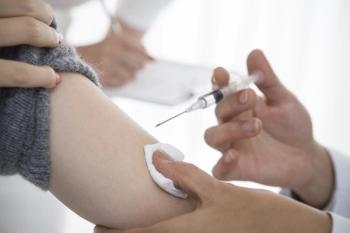
With early season flu vaccination rates up from 2017-2018 early season rates, new pediatric influenza deaths around the country are prompting health officials to call for even higher vaccination rates.

Flu season has officially started in the United States, according to the US Centers for Disease Control and Prevention’s (CDC) most recent FluView report for the week ending December 15, 2018 (Week 50). Following a slow start to the flu season, the US has seen 3 weeks of influenza-like illness activity levels at above the national baseline of 2.2%, flu activity reported as regional or widespread in 24 states and Guam, and an increase in respiratory specimens testing positive for flu at clinical laboratories across the country. Although the elevated activity has prompted the CDC to announce the start of flu season, health officials say it’s too early in the season to know how severe it will be.

According to the latest surveillance data, most flu activity this season has been driven by illness in school-aged children, with hospitalization rates among children younger than 5 years old now the highest among all age groups (7.7 per 100,000). The CDC reported 1 influenza-associated pediatric death associated with an influenza A virus for week 50, the seventh reported so far in the 2018-2019 season. On December 26, 2018, California’s Stanislaus County Health Services Agency announced that a child in the county had died of influenza.

“This is a very sad reminder that flu is unpredictable and can be deadly,” Julie Vaishampayan, MD, a public health officer with the county, said in a statement. Officials have released no other details about the child, including age or city of residence. “We extend our deepest sympathies to the child's family and hope we can help people understand that flu is a serious illness. Flu vaccination is the most effective protection against flu, and it's still not too late to get a flu shot.”

Michigan health officials are adding to the call for flu vaccinations following the December 21, 2018, announcement of the state’s first confirmed pediatric flu death of the season in an Osceola County child who was infected with influenza A/H1N1. Last season, 39.5% of Michigan residents received a flu vaccine—below the national rate of 41.7% for the season.

The CDC recently released data on early season flu vaccination coverage in the US, with new numbers showing that vaccination rates are up compared to the same time last season. By mid-November this year, flu vaccination coverage was 45.6% for all children ages 6 months to 17 years, up from 38.8% a year prior. For adults ages 18 years and older, flu vaccination rates rose from 38.5% to 44.9%. The numbers are even better among young children—one of the groups at greatest risk of severe flu illness—with vaccination rates up 8.2% among children ages 6 months to 4 years and up 7% among children ages 5 to 12 years.

“In past seasons, people continued to get flu vaccination[s] through the winter and into spring. Among children, end of 2017-18 season coverage was approximately 19 percentage points higher than early-season coverage; for adults it was about 8 percentage points higher,” said the new report. “Because flu vaccination is the best way to prevent death and hospitalization due to the flu, people not yet vaccinated this season should get a flu vaccination as soon as possible. Unvaccinated persons are at higher risk of flu illness themselves and of transmitting flu to others.”


Related to this article

NFID Survey Finds Respiratory Vaccine Gap Driven by Lack of Clarity, Not Hesitancy
The National Foundation for Infectious Diseases (NFID) recently held its respiratory season kick-off, which included the release of its annual respiratory disease survey. This year, the survey revealed the gap between vaccine support and uptake. Robert Hopkins Jr, MD, medical director of NFID delves deeper into the findings of the survey and the vaccine uptake challenges associated with certain immunizations.
Pfizer 25-Valent Pneumococcal Vaccine Boosts Serotype 3 Response in Infants
Alejandra Gurtman, MD, discussed the phase 2 data at IDWeek 2026 which showed the investigational 25-valent pneumococcal conjugate vaccine 25vPnC produced serotype 3 antibody levels about 15-fold higher than Prevnar 20 after the booster dose, targeting a serotype still behind 10.6% of invasive pneumococcal disease in US children younger than five years.
Measles Update: October 9, 2026
The latest CDC numbers show a 5.0% increase of measles cases from week-to-week. The US total reached 4080 confirmed cases, 78% above all of 2025.
Measles Update: October 23, 2026
The latest CDC numbers show a 4.0% increase in measles cases from week-to-week, bringing the 2026 US total to 4588 confirmed cases. Ninety-six percent of cases are outbreak-associated.
Inhaled Amikacin Shows Low Resistance Rates in MAC Lung Disease in ENCORE
In the phase 3b ENCORE trial, adding amikacin liposome inhalation suspension (ALIS) to azithromycin and ethambutol significantly improved culture conversion in newly diagnosed MAC lung disease, while treatment-emergent amikacin (2.2%) and macrolide (1.1%) resistance stayed rare. Kevin Winthrop, MD, provides insights around the study.