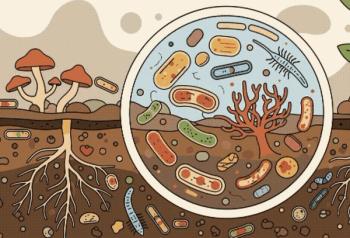
Widespread antimicrobial use disrupts vital microbial communities that regulate Earth’s biogeochemical cycles, driving antimicrobial resistance, worsening human and environmental health, and significantly contributing to climate change.
They developed clinical guidance and other resources looking to address potential drug interactions with these patient populations who have COVID-19 and may be treated with Paxlovid.
HIVMA recently created guidance for treating patients with COVID-19 with nirmatrelvir-ritonavir (Paxlovid) who have HIV or hepatitis C.
“This brief was developed to respond to provider questions about treating patients with HIV and HCV with Paxlovid since one of the components of Paxlovid—ritonavir—is also part of many HIV and HCV treatment regimens,” HIVMA wrote in their guidance. “In addition, Paxlovid may result in significant drug interactions with other commonly used comedications in people with HIV or hepatitis C.”
The guidance includes a link to IDSA’s clinical guidance for using nirmatrelvir- ritonavir and potential drug interactions, answers to frequently asked questions about treating people with Paxlovid who have HIV or HCV, and links to other treatment resources.
"#Paxlovid is being underutilized to treat COVID-19 in people at risk for progressing to serious illness,” IDSA tweeted back on January 8.
To access the information, go