In the phase 3 LIBERTY study, the investigational monoclonal antibody, VYD2311, had significantly fewer adverse events than an mRNA COVID-19 vaccine, and it did not blunt vaccine-induced neutralizing titers when the two were given together.
A discussion surrounding how environmental and behavioral factors can lower immune system responses.
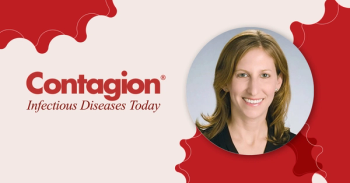
In a conversation talking about these issues, Annelise Madison, a PhD Candidate in Clinical Psychology at the Institute for Behavioral Medicine Research at The Ohio State University College of Medicine, discusses the immune systems response.
“What can happen with chronic stress, depression, loneliness, is that there are significant neuroendocrine changes that can happen, and these changes can happen systemically and impact both T-cell and antibody responses to vaccination,” Madison said.
Although this is having a severely negative impact on the population at large, there are many ways one can mitigate these issues.
“The good news is that there are things we can do. For instance, prioritizing sleep shortly before and after you get the vaccine can be so important for immune function. Same with exercise… these are ways in the short term we can boost our vaccine responses.”