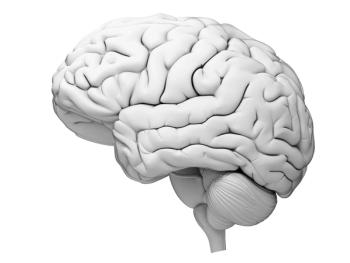
This finding highlights how inflammation in the mouth can have far-reaching effects. Nussbaum further elaborated on the broader implications of this immune evasion mechanism, “Chronic oral inflammatory diseases such as gum disease may influence these systemic conditions via regulation of systemic inflammatory factors and metabolites. Alternatively, the bacteria that thrive in inflammation may translocate to distant tissues such as atherosclerotic plaque, the brain, tumors, etc, where they can exert local effects. In either case, the mechanisms that enable bacteria such as P gingivalis to achieve higher numbers in the oral cavity are linked to the potential for exerting detrimental systemic effects.”
What You Need To Know
P gingivalis uses CD47 and thrombospondin-1 to evade immune detection, contributing to chronic infections and systemic disease risks.
Blocking CD47 or TSP-1 improved immune response, suggesting new treatment possibilities for periodontal disease.
The discovery highlights how oral bacteria may affect other parts of the body, including the brain and atherosclerotic plaques.
The researchers’ experiments demonstrated that blocking CD47 or TSP-1 significantly enhanced bacterial clearance by the immune system. Mice lacking CD47 showed a higher capacity to eliminate P gingivalis, suggesting that targeting this immune evasion pathway could provide a promising strategy for treating periodontal disease. Nussbaum highlighted that targeting this pathway could offer a broader solution: “We are exploring various means of interrupting this evasion pathway to improve clinical outcomes, especially since it is shared among pathogens linked to periodontal disease.”
This breakthrough in understanding how P gingivalis and other oral bacteria evade the immune system opens up new avenues for treatment. Nussbaum emphasized that targeting immune evasion mechanisms could not only help control chronic infections like periodontitis but also reduce the risks of systemic diseases linked to these infections. “A deeper understanding of these immune evasion mechanisms can lead to novel ways to reduce the bacterial load of pathogens such as P gingivalis,” he added.
With these insights, researchers are now focused on translating these findings into potential therapies. These could help enhance immune responses and better manage persistent bacterial infections, improving both oral and overall health. As Nussbaum concluded, “Understanding how these bacteria evade immune responses opens new therapeutic possibilities.”
References
1. The Hebrew University of Jerusalem. How a common oral bacterium outsmarts the immune system. EurekAlert. February 17, 2025. Accessed February 27, 2025. https://www.eurekalert.org/news-releases/1074614
2. Angabo S, Pandi K, David K, et al. CD47 and thrombospondin-1 contribute to immune evasion by Porphyromonas gingivalis. Proc Natl Acad Sci U S A. 2024;121(47):e2405534121. Accessed February 27, 2025. doi:10.1073/pnas.2405534121