|Videos|December 4, 2017

NFID Medical Director Addresses Common Misconceptions Regarding the Flu Vaccine

William Schaffner, MD, addresses common misconceptions regarding the influenza vaccine.

William Schaffner, MD, medical director of the National Foundation for Infectious Diseases, addresses common misconceptions regarding the influenza vaccine.

Interview Transcript (modified slightly for readability):

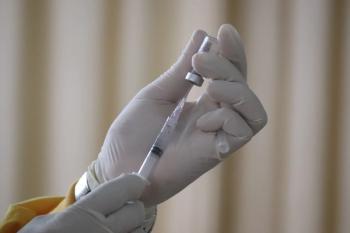
“I hesitate to mention the misconceptions but I’m afraid that there’s still that myth out there that you can get flu from the flu vaccine. That’s a myth; there’s no truth to it. It may well be that somebody got vaccinated on Monday and on Wednesday they got a cold, and what they’ll do is attribute that cold to having received the vaccine, but there’s no connection. As we all know, the influenza is a killed influenza vaccine, it’s broken up into little pieces, reformulated in the vaccine, it can’t put itself back together again and make an infectious virus. So, you can’t get flu from the flu vaccine.

Now, the other unhappy concept about the flu vaccine is that it doesn’t work well enough. We all wished it would work better, but it’s a pretty darn good vaccine and it’s the best vaccine we have right now. It always prevents many, many infections. And remember, if it doesn’t prevent the infection completely, it will modify the infection; it will make it milder, makes it less likely if you get flu that you have to go to the hospital, be admitted to the intensive care unit, or die.

Nothing that we do in medicine is less expensive, easier to get, and more efficient in providing all that prevention. So, we really ought to insist that our patients get vaccinated, and, of course, we as health care providers absolutely should all be vaccinated, so we don’t give flu to our patients.”


Related to this article

NFID Survey Finds Respiratory Vaccine Gap Driven by Lack of Clarity, Not Hesitancy
The National Foundation for Infectious Diseases (NFID) recently held its respiratory season kick-off, which included the release of its annual respiratory disease survey. This year, the survey revealed the gap between vaccine support and uptake. Robert Hopkins Jr, MD, medical director of NFID delves deeper into the findings of the survey and the vaccine uptake challenges associated with certain immunizations.
Measles Update: October 9, 2026
The latest CDC numbers show a 5.0% increase of measles cases from week-to-week. The US total reached 4080 confirmed cases, 78% above all of 2025.
FAQ: Measles
With US measles cases nearing 3,900 this year and Pennsylvania reporting its fifth measles-related death, here is a review of how the virus spreads, how it is prevented and managed, and what severe disease looks like.
FAQ: Pneumonic Plague
A laboratory technician at a Siberian anti-plague institute has died of pneumonia of unknown cause, prompting quarantines and contact monitoring while Russian officials stop short of confirming plague.