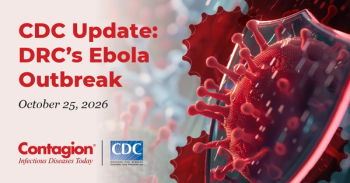
CDC reports 10,772 confirmed Ebola cases and 5234 deaths, making this the second-largest outbreak on record. Kenya and Nigeria have reported cases.
The Obama administration recently announced plans to shift nearly $600 million in funds designated to battle the Ebola epidemic toward the fight against Zika.
On Wednesday (April 6), the Obama administration announced plans to shift nearly $600 million in funds designated to battle the Ebola epidemic toward the fight against Zika.
Zika, a mosquito-borne infection first identified in 1947, has generated
“We’ve made important progress to keep Americans safe from these public health threats here and abroad, but these efforts need to continue and they can’t be stopped or shortchanged,” Department of Health and Human Services Secretary, Sylvia M. Burwell, said on a conference call with reporters on Wednesday. “We face two real global health challenges, Ebola and Zika, and we don’t have an option to set one aside in the name of the other.”
Indeed, although there have been cases of Ebola reported
The Associated Press initially broke the story of President Obama’s plans to allocate $589 million of previously earmarked Ebola funds earlier this week. Political newspaper The Hill has reported in the past that the President’s attempts to have $1.9 billion in federal funds allocated toward efforts to control the spread of Zika have been rebuffed by Congress, in spite of calls from healthcare advocacy groups to approve emergency funding measures to protect pregnant women and encourage research on the virus and a possible vaccine.
The Zika virus in and of itself is not fatal; however, it carries with it troubling complications. Both the WHO and the US Centers for Disease Control and Prevention (CDC), for example, have released specific warnings about the
White House budget chief, Shaun Donovan, on the same conference call with Burwell, told reporters that the Obama administrated decided to act now rather than wait for Congressional action because “there are real consequences and risks for waiting.”
Congress initially approved $5 billion in federal funds to combat Ebola in 2014.
Brian P. Dunleavy is a medical writer and editor based in New York. His work has appeared in numerous healthcare-related publications. He is the former editor of Infectious Disease Special Edition.