|Videos|November 12, 2020

Offering Clinical Insights into COVID-19 Positive Mothers and Newborns

A study looking at these 2 populations in a hospital setting offers some positive news.

Nothing may be a more beautiful sight to witness than the moments when a mother and her newborn are brought together. This harmonious bonding is precious and is one of the best examples of nature. 

In the age of the COVID-19 pandemic, however, this has complicated these bonding rituals.

The University of California San Francisco (UCSF) recently conducted a small study looking at mothers infected with COVID-19 and newborns. In the study, they reported very few adverse effects and low rates of COVID-19 transmission rates from mothers to newborns.

Investigators examined for adverse outcomes, including preterm birth, NICU admission, and respiratory disease, and found they did not differ between those born to mothers testing positive for SARS-CoV-2 and those babies born to mothers testing negative.

The study looked at 263 infants with 179 testing positive for SARS-CoV-2 and 84 negative. Of the 263 infants, 44 were admitted to a NICU but no pneumonia or lower respiratory tract infections were reported during the study. Among the 56 infants assessed for upper respiratory infection, it was reported in two infants with COVID-positive mothers, and in one with a COVID-negative mother.

The study’s lead author Valerie J. Flaherman, MD, MPH, associate professor of pediatrics and of epidemiology and biostatistics at UCSF spoke with Contagion® recently, and she provided specifics of the study and offered some insights into clinical approaches with COVID-19 mothers and newborns at her medical center.

Related to this article

How The Food Safety Surveillance Infrastructure Works in the US
In the first episode of our news series looking at the food safety network, Lynette Johnston, PhD, offers insights into how the federal government surveillance infrastructure operates, and how epidemiologists serve as food detectives in determining bacterial pathogens and potential foodborne outbreaks.
Ebola and the Ongoing Tale of US Failures
In mid-May, as the world was still grappling with an unexpected hantavirus outbreak aboard a tourism vessel, news broke of an Ebola outbreak in the Ituri Province of the Democratic Republic of the Congo spanning at least 3 health zones, including Bunia, Rwampara, and Mongbwalu.
This Week's Top 5 Infectious Disease News Stories: September 12-September 18, 2026
In this week's top infectious disease stories, a Pennsylvania teen became the state's fourth measles death in weeks, the CDC reported a 17% summer surge in rabies exposure calls, new research revisited whether cefepime raises mortality risk, a multihospital review examined ceftriaxone's safety after state alerts, and examining Legionella pneumonia diagnostics.
Measles Update: September 18, 2026
The latest CDC numbers show a 5.37% increase of measles cases from week-to-week. In Pennsylvania, the fourth measles-related death was reported in 2026. Additionally, the CDC has made a change in the way it will report deaths.
CDC Responds to Surge in Rabies Exposures
A "Clinician Outreach" from the Centers for Disease Control and Prevention (CDC) in April anticipated an increase in rabies exposures, and the striking surge in case reports this summer prompted a recent health advisory alert from the federal agency.
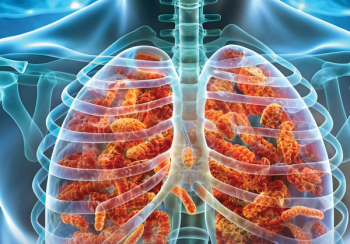
New Diagnositics for Legionella Pneumonia May Streamline Care Continuum
Reported cases of Legionnaires’ disease have been on the rise for the past decade, and identifying Legionella bacteria requires specialized testing in the microbiology lab. Here is a clinical overview of Legionella bacteria, including required testing, treatment, and reporting to public health officials.