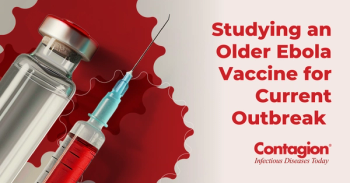
Investigators accessed longitudinal human data from ebola virus vaccination for signals of efficacy against the Bundibugyo species now surging in the Democratic Republic of Congo.
In Illinois and Wisconsin, eight individuals working at rat-breeding facilities have contracted Seoul virus.
Last week, it was confirmed by the Centers for Disease Control and Prevention (CDC) that pet rats were responsible for the Seoul virus outbreak occurring in Illinois and Wisconsin; this is the first known outbreak associated with pet rats in the United States—most cases have been reported in Asia.
The Seoul virus is a rodent-borne hantavirus that can cause a form of hemorrhagic fever. Since the 1700s, the virus has spread across the globe with the aid of Wild Norway rats. Most rats that are infected do not show clinical signs.
Eight individuals who worked at multiple rat-breeding facilities in Illinois and Wisconsin have been diagnosed with the virus. Although the first two cases were reported in a home breeding facility in Wisconsin in December 2016, follow-up investigation led to six additional cases from two breeding facilities in Illinois. Fortunately, all of the affected individuals have recovered.
Symptoms of the Seoul virus typically appear within 1 to 2 weeks after contact with an infected rat, but can sometimes take up to 8 weeks. Common symptoms can include: fever, chills, nausea, pink eye—type infections, and abdominal pain; however, sometimes, the condition can progress to hantavirus pulmonary syndrome, which can potentially result in death.
Interestingly enough, of the six individuals who tested positive for Seoul virus in Illinois, only one experienced any illness or symptoms, according to the Illinois Department of Public Health.
Seoul virus is transmitted through bodily fluids such as blood, saliva, or urine from an infected rat, or following a bite from an infected rat. The virus cannot be transferred between humans or from other types of pets, according to the CDC.
Officials are working to determine where the infected rats came from and where they may have been sent in an attempt to track where other possible infections may have occurred. They believe that the virus has not spread any farther than the areas already under investigation. Anyone who is concerned that they may have purchased a rat from an affected breeding facility should contact their local or state health department. Individuals who experience symptoms of the virus should contact their healthcare provider immediately.
To prevent Seoul virus infections, pet rat owners should take the following precautions with their animals:
If bitten or scratched by a pet rat, an individual should wash the wound with warm, soapy water and visit a healthcare provider if the injury becomes worse.
Jennifer McQuiston, DVM, MS (CAPT, USPHS), deputy director of the CDC’s Division of High Consequence Pathogens and Pathology, said in a statement, "Our general recommendation is that anybody who has a pet rodent should be cognizant of good pet care behavior.”