As Fall officially began, respiratory viruses took center stage this month.
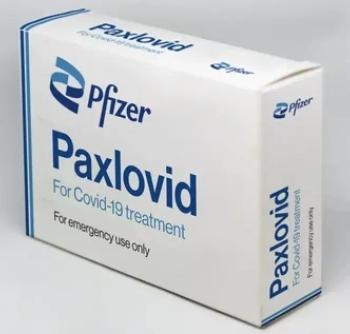
Our top stories this month focused on COVID-19, its treatments, and its complications. Paxlovid continued to be one of the most buzzed-about topics, as intrigue seems to follow this nirmatrelvir/ritonavir COVID-19 treatment.
Read all about it in this review of Contagion’s most-clicked articles in September.
1.
Mucosal Antibody Response to COVID-19 mRNA Vaccines Depends on Prior Infection
Injected COVID-19 mRNA vaccines alone were ineffective at producing mucosal antibody responses, according to a recent study that suggested seeking new strategies such as intranasal vaccines.
2.
Rebound of COVID-19 After Treatment With Paxlovid
COVID-19 viral load rebound occurred in 2.3% of nirmatrelvir–ritonavir (Paxlovid) recipients and in 1.7% of placebo recipients.
3.
Risk of Blood Clots Remains for Nearly a Year After COVID-19 Infection
In 2020 alone, the COVID-19 pandemic may have caused an additional 10500 heart attacks, strokes, and other blood clot complications across England and Wales.
4.
Paxlovid Prescribing by Pharmacists: A New Paradigm
The Paxlovid approval reaffirms the importance of pharmacists in fighting COVID-19.
5.
Reduced-Dose Trimethoprim-Sulfamethoxazole Effective in Treating Mild to Moderate Pneumocystis jirovecii Pneumonia
Here is a review of using this therapy in an immunocompromised patient population.