On Friday, the Office of the Assistant Secretary for Preparedness and Response (ASPR) announced it was pausing distribution of the monoclonal antibody sotrovimab in areas where the BA.2 variant is responsible for more than 50% of COVID-19 cases.
In vitro assays demonstrated BA.2 would not be susceptible to sotrovimab, so distribution of the therapy will be paused in 8 states, Puerto Rico, and the Virgin Islands, areas where US Centers for Disease Control and Prevention (CDC) data has shown BA.2 is the dominant variant.
Specifically, ASPR said the BA.2 variant has exceeded 50% of cases in HHS Region 1, comprised of Connecticut, Maine, Massachusetts, New Hampshire, Rhode Island, and Vermont, and Region 2, including New Jersey, New York, Puerto Rico, and the Virgin Islands.
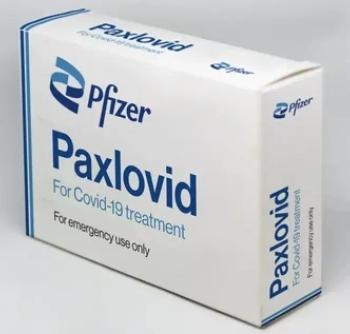
ASPR reiterated the COVID-19 treatments still available in regions with high prevalence of BA.2, including Paxlovid, molnupiravir, and bebtelovimab. “Based on similar in vitro assay data currently available, these products are likely to retain activity against the BA.2 variant,” ASPR said.
This is not the first time the US government has paused dispersal of a drug unlikely to be effective against Omicron; in January, the US Food and Drug Administration (FDA) reversed their EUA of monoclonal antibody therapies upon evidence that the treatment was not adequately neutralizing the Omicron variant.
In response to the sotrovimab pause, developers GlaxoSmithKline (GSK) and Vir Biotechnology announced they are preparing a data package to support upping the dosage to boost sotrovimab’s efficacy against BA.2.
Sotrovimab (formerly VIR-7831) is a pan-sarbecovirus monoclonal antibody designed to prevent the progression of COVID-19 disease in high-risk patients. Previous studies found a single 500 mg dose of sotrovimab reduced the risk of hospitalization or death by 85% in high-risk adults with symptomatic COVID-19.
Sotrovimab binds to the SARS-CoV-2 epitope to hinder its ability to develop resistance. Sotrovimab was designed with a long half-life to achieve high concentration in the lungs and optimize penetration into COVID-19-affected airway tissues.
The FDA initially granted sotrovimab Emergency Use Authorization (EUA) on May 25, 2021. The monoclonal antibody therapy was approved to treat mild-to-moderate COVID-19 disease in adults and pediatric patients.
“ASPR and FDA will continue to work with the CDC and the National Institutes of Health on surveillance of variants that may impact the use of the therapies authorized for emergency use,” ASPR concluded in their announcement. “We will provide further updates and consider additional action as new information becomes available.”