In the phase 3 LIBERTY study, the investigational monoclonal antibody, VYD2311, had significantly fewer adverse events than an mRNA COVID-19 vaccine, and it did not blunt vaccine-induced neutralizing titers when the two were given together.
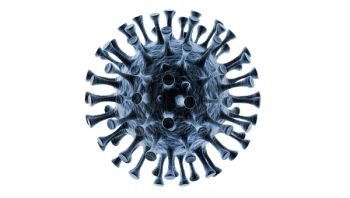
As there is a lot of information regarding the Omicron variant, here is our latest slideshow to offer some insights on it.
On Thanksgiving, both public health officials from South Africa and the United Kingdom gave press conferences discussing what they had learned about the new COVID-19 variant.
By the next day, the World Health Organization (WHO) had renamed it the Omicron variant, and has been giving updates on information they have obtained.
Here in the United States, President Joe Biden and his administration have been working towards reducing travel from the African countries that are thus far affected by the Omicron.
Moderna has already said it will
There is still a lot to be learned about the new variant and information is quickly being disseminated to the public to help clinicians and the general public understand what is going on.
Although there is still a lot to be learned, check out our latest slideshow to find out the latest developments.