This week's stories include study data on 2 RSV vaccines for seniors; an update on C diff therapies; looking at Ending the HIV Epidemic initiative; and a study on Paxlovid and Long COVID.
Staphylococcus aureus Bacteremia (SAB) causes significant morbidity and globally is the leading cause of death from bloodstream infection. This month, the IDSA and ESCMID released 7 consensus statements to assist in managing individuals with SAB. This review will focus on the adult patient population and additional information on pediatric population statements can be assessed in the guideline. Here is a closer look at Consensus Statement 2: Follow-up Blood Cultures.
With a significant increase in rabies exposures this year, Rodney Rohde, PhD, talks about seeking medical attention after animal interactions as well as clinical treatment when people have been bit or scratched.
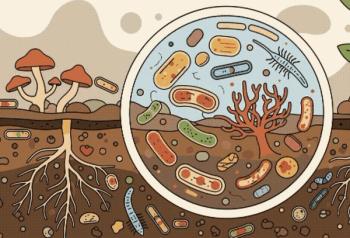
Widespread antimicrobial use disrupts vital microbial communities that regulate Earth’s biogeochemical cycles, driving antimicrobial resistance, worsening human and environmental health, and significantly contributing to climate change.
The latest CDC numbers show a 5.4% increase of measles cases from week-to-week. This year has already become the worst for the number of measles cases in the US since the disease was declared eliminated in 2000. With the start of respiratory virus season, case numbers are expected to continue to increase significantly.
New data from the PETERPEN trial suggest that piperacillin-tazobactam may be noninferior to meropenem for early clinical outcomes in select patients with ESBL bloodstream infections, but carbapenems remain the standard of care until final mortality results are available and fully analyzed.
A new study in infants challenges the long-standing belief about the pathogen’s effects in the youngest pediatric population. Senior author Joseph Zackular, PhD, provides insights around his work including how it reshapes gut development and offers potential intervention strategies to shield neonates.