|Articles|June 28, 2021

Tracking Hand Hygiene in a Hospital Setting

Sensors provided data for more hand washing opportunities for healthcare workers and affected related behaviors.

Healthcare associated-infections (HAI) have been an ongoing challenges for medical centers and hospitals. They create additional issues for patients included extended stays in healthcare facilities, additional medications needed, and other costly expenses.

Hand hygiene compliance (HHC) is a key component to avoiding HAI. However, some studies have found HHC to be less than optimal.

One hospital in Southern Denmark saw an increase in HHC after reported data and feedback was given to healthcare staff.

“Once data were shown and feedback provided, both doctors (BPC; 16% vs 24%, p=0.04; APC: 26% vs 35%, p=0.059) and caregivers (BPC: 22% vs 37%, p<0.0001; APC: 39% vs 51% p<0.0001) improved their HHC,” investigators wrote.

The data was presented at the 2021 Association for Professionals in Infection Control and Epidemiology conference virtual sessions.

Specifically, the Danish investigators placed sensors on alcohol-based sanitizers, healthcare worker (HCW) name tags, and patient beds. A prospective observational study was conducted in a Danish medical hospital ward between February-November 2020.

At baseline, “HHC was lowest before patient contact (BPC) compared to after patient contact (APC) for both the doctors (16% vs 26%) and the nurses (22% vs 39%),” the investigators wrote. “Baseline data were obtained before the reporting of feedback data. HCWs were grouped as caregivers (n=58) and doctors (n=18). Rooms were classified by type e.g., medications room and patient room. Overall data were regularly presented to staff groups and subgroups, caregivers, and doctors

In terms of the big takeaway, data provided through technology can play a role in helping healthcare workers reinforce HHC. “Feedback data from the automated hand hygiene monitoring system helped the HCWs to improve their HHC significantly,” the investigators concluded.


Related to this article

How The Food Safety Surveillance Infrastructure Works in the US
In the first episode of our news series looking at the food safety network, Lynette Johnston, PhD, offers insights into how the federal government surveillance infrastructure operates, and how epidemiologists serve as food detectives in determining bacterial pathogens and potential foodborne outbreaks.
Ebola and the Ongoing Tale of US Failures
In mid-May, as the world was still grappling with an unexpected hantavirus outbreak aboard a tourism vessel, news broke of an Ebola outbreak in the Ituri Province of the Democratic Republic of the Congo spanning at least 3 health zones, including Bunia, Rwampara, and Mongbwalu.
This Week's Top 5 Infectious Disease News Stories: September 12-September 18, 2026
In this week's top infectious disease stories, a Pennsylvania teen became the state's fourth measles death in weeks, the CDC reported a 17% summer surge in rabies exposure calls, new research revisited whether cefepime raises mortality risk, a multihospital review examined ceftriaxone's safety after state alerts, and examining Legionella pneumonia diagnostics.
Measles Update: September 18, 2026
The latest CDC numbers show a 5.37% increase of measles cases from week-to-week. In Pennsylvania, the fourth measles-related death was reported in 2026. Additionally, the CDC has made a change in the way it will report deaths.
CDC Responds to Surge in Rabies Exposures
A "Clinician Outreach" from the Centers for Disease Control and Prevention (CDC) in April anticipated an increase in rabies exposures, and the striking surge in case reports this summer prompted a recent health advisory alert from the federal agency.
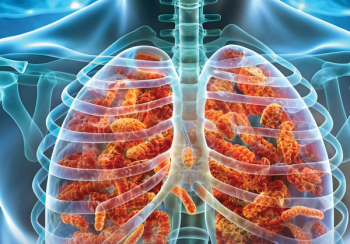
New Diagnositics for Legionella Pneumonia May Streamline Care Continuum
Reported cases of Legionnaires’ disease have been on the rise for the past decade, and identifying Legionella bacteria requires specialized testing in the microbiology lab. Here is a clinical overview of Legionella bacteria, including required testing, treatment, and reporting to public health officials.
Ceftriaxone Safety: Separating Signal From Risk
A retrospective multihospital study found that severe adverse events occurred at similarly low rates with ceftriaxone and other IV cephalosporins suggesting there is no evidence to support avoiding ceftriaxone despite recent health department safety alerts.