Main Takeaways
- Implementing WGS and SNP analysis significantly enhances the detection of C difficile transmission in hospitals.
- Frequent room changes and repeated admissions of patients increase the risk of C difficile transmission, necessitating careful patient management.
- The findings highlight the need for improved infection control measures, including aggressive culture testing and genomic analysis, to effectively monitor and manage CDI.
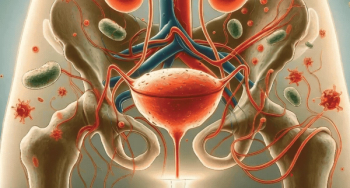
To explore the hospital transmission of C difficile at a single facility, the researchers examined the genetic relationships of the bacteria. This was accomplished through draft WGS and the analysis of SNPs in the core genome, along with data on patients’ hospital wards and room changes. The retrospective study included 38 strains, each collected from a different patient, between April 2014 and January 2015.
There were two clusters for ST81 (ST81-SNT-1 and ST81-SNT-2), two for ST183 (ST183-SNT-1 and ST183-SNT-2), and one for ST17 (ST17-SNT-1). The largest SNT cluster, ST183-SNT-1, encompassed five patients associated with Wards A, B, and K. The patient designated Pt08 changed rooms seven times in Ward B, making them the most frequent room changer. Patients Pt36 and Pt10, also located in Ward B, underwent multiple admissions and discharges during the study The investigators also noted that “patients isolated with ST183 were suggested to have higher risks for acquiring or transmitting C difficile, potentially due to frequent room changes.”
This study has three limitations, it is a single-center, retrospective study focused solely on observing nosocomial transmission of C diff, without collecting data on C difficile infection (CDI) or antimicrobial use, and lacking screening for asymptomatic patients in the same rooms as CDI patients. Also, it did not assess the impact of silent transmission on infection control or healthcare costs. Only the first strain isolated from each patient was analyzed, which may overlook the possibility of patients carrying multiple genetically distinct strains of C difficile.
To include, the CDC's use of WGS has improved the detection of small outbreaks and highlighted underreporting, similar to how this study uncovered unnoticed transmission within a hospital. After the CDC implemented WGS in 2018, investigators found that fitting a power law distribution to US foodborne disease outbreaks revealed significant under-detection and underreporting.2
During the period from 1998 to 2017, there were 788 fewer small outbreaks identified annually than expected based on this model. Although, with the introduction of WGS in 2018, the detection rate improved, resulting in 365 fewer small outbreaks identified annually than expected in 2018 and 2019.2
Both studies underscore the critical role of genomic methods in enhancing infection control and managing infections, emphasizing the need for innovative approaches in public health practices.
Reference
Miyazaki, T., Aoki, K., Maeda, T. et al. A molecular epidemiological and transmission analysis of Clostridioides difficile using draft whole-genome sequencing in a single hospital. BMC Infect Dis 24, 989 (2024) Accessed September 18, 2024. https://doi.org/10.1186/s12879-024-09841-9
Ford L, Self JL, Wong KK, et al. Power law for estimating underdetection of foodborne disease outbreaks, united states. Emerging Infectious Diseases. Published February 2024. Accessed September 18, 2024. doi:10.3201/eid3002.230342.