|Videos|February 11, 2018

What to Consider When Calling For Cultures

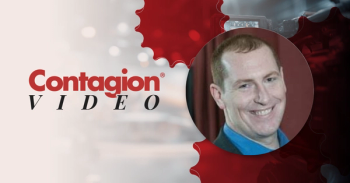
Marin H. Kollef, MD, discusses what to consider when calling for cultures.

Marin H. Kollef, MD, professor of medicine and Virginia E. & Sam J. Golman chair of the Respiratory Intensive Care department of Washington University School of Medicine, walks Contagion® through his thought process when deciding to ask for cultures. According to Dr. Kollef, providers should be asking themselves questions like, "What am I going to do with this information?" and "How is that information from the culture going to impact what I do subsequently?" He explained that when he asks for cultures, "they're usually clinically relevant cultures." Dr. Kollef also touched on surveillance cultures and explained why they are not done often in the United States.


Related to this article

How The Food Safety Surveillance Infrastructure Works in the US
In the first episode of our news series looking at the food safety network, Lynette Johnston, PhD, offers insights into how the federal government surveillance infrastructure operates, and how epidemiologists serve as food detectives in determining bacterial pathogens and potential foodborne outbreaks.
This Week's Top 5 Infectious Disease News Stories: September 12-September 18, 2026
In this week's top infectious disease stories, a Pennsylvania teen became the state's fourth measles death in weeks, the CDC reported a 17% summer surge in rabies exposure calls, new research revisited whether cefepime raises mortality risk, a multihospital review examined ceftriaxone's safety after state alerts, and examining Legionella pneumonia diagnostics.
Ceftriaxone Safety: Separating Signal From Risk
A retrospective multihospital study found that severe adverse events occurred at similarly low rates with ceftriaxone and other IV cephalosporins suggesting there is no evidence to support avoiding ceftriaxone despite recent health department safety alerts.
Treatment of Latent Tuberculosis in a Trice
A retrospective study of 225 patients across Cook County Department of Health clinics found that the novel 1-month 1HP regimen (isoniazid plus rifapentine) for latent TB infection had a completion rate comparable to standard longer regimens and was well tolerated, suggesting it may be a viable shorter alternative.
Peggy Lillis Foundation Will Honor C diff Advocates at Annual Gala
The Peggy Lillis Foundation will host its 17th Annual Changing the Odds Gala this month in New York City, and it will include a casino, fellowship amongst the C diff community, and an award ceremony honoring a physician-scientist, philanthropist, a researcher, and a patient advocate for their contributions to C difficile awareness, treatment, and prevention.