|Videos|August 12, 2017

Why Clinicians Need to Know the Challenges Associated with Getting AST Results

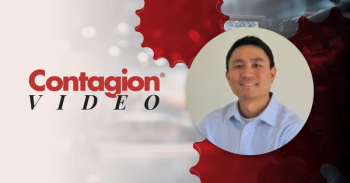
ason Gallagher, PharmD, BCPS FCCP, FIDSA, explains why clinicians should be aware of the challenges associated with getting antimicrobial susceptibility testing results.

Jason Gallagher, PharmD, BCPS, FCCP, FIDSA, clinical professor of pharmacy practice, Temple University, explains why clinicians should be aware of the challenges associated with getting antimicrobial susceptibility testing results available.

Interview Transcript (slightly modified for readability)

“It’s important that clinicians make others aware of the challenges that are out there in getting antimicrobial susceptibility testing results available, particularly for new drugs. The delays that exist from the drug approval to tests being approved has significantly impacted our ability to use those drugs, and we all have to understand that they exist. [We also need to be aware of] the challenges they incur on the microbiology lab to manually do some of those tests that can’t be done in the normal, easy ways that we generally depend upon.”


Related to this article

The Prospective Emergence of XDR Shigella Beyond High-Risk Groups
Los Angeles has been experiencing this challenging bacteria in recent years with the potential of it becoming carbapenem-resistant in the future. Shaun Yang, PhD, D(ABMM), FIDSA, MLS(ASCP), provides commentary about his team's work in this area and the role of genomic sequencing to uncover this troublesome pathogen.

Cefepime Continuous Infusion: Too Much of a Good Thing?
In the retrospective CEFTOX study of patients with trauma or brain injury receiving 6 g/d continuous-infusion cefepime, 44.4% had supratherapeutic concentrations (including 32.1% of those with augmented renal clearance) and 36% developed cefepime-induced neurotoxicity, and the authors say these findings support faster in-house therapeutic drug monitoring and a reassessment of current continuous-infusion doses.