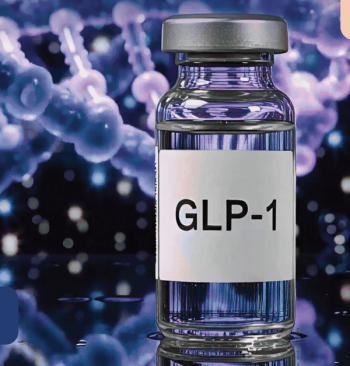
Here is a review of glucagon-like peptide-1 receptor agonist use in people with HIV.
Women living with HIV are at elevated risk for comorbidities as their life expectancy increases.
Individuals living with HIV now have a life expectancy that matches those without HIV and as a result, more women living with HIV (WLHIV) are experiencing menopause. However, many of these WLHIV have also fallen into a knowledge gap: practitioners who treat these patients lack experience in menopause management. Coupled with that is the fact that not only is there a serious lack of data on menopause and HIV, but many WLHIV have limited access to medical care and support.
In an attempt to bridge this gap, Post Reproductive Health published a
WLHIV are at elevated risk for comorbidities as their life expectancy increases. Both menopause and HIV infection increase the risk of cardiovascular disease, low bone mineral density, osteoporosis, and mental health diagnoses.
Menopause hormone therapy (MHT), used to treat menopause's common symptoms, and biological changes, is likely underutilized in WLHIV, because of concern of drug-drug interactions (DDIs) between MHT and antiretroviral therapy (ART). There is limited data on these DDIs; however, data on the use of ART and hormonal contraceptives may be extrapolated.
What is known is that transdermal estrogen MHT preparations are preferable in WLHIV because they are associated with a lower venous thromboembolism risk than oral preparations. Furthermore, ART pharmacokinetics do not differ between pre- and postmenopausal WLHIV, as confirmed by limited data.
In addition, HIV may be related to early onset of menopause. Studies assessing the relationship between age of menopause and HIV-related factors (ie, viral load, CD4 count, ART use) are conflicting. Evidence that vaginal symptoms of menopause, including vaginal atrophy and estrogen deficiency, increase the risk of HIV transmission or acquisition is inconclusive. No current evidence that estrogen deficiency (ie, the menopausal state) affects CD4 count or response to ART exists.
Despite these gaps, (or, perhaps, because of them) menopausal WLHIV deserve the same access to care and information as other menopausal females. Quality patient care demands adequate knowledge about symptomatology, lifestyle modifications, and treatment options. Therefore, infectious disease practitioners treating WLHIV should communicate with general practitioners to ensure the health and well-being of WLHIV transitioning through menopause.
An earlier version of this article was published on