MDR-TB Challenges Treatment Efforts
MDR-TB continues to present a significant challenge. In 2023, only 40% of individuals diagnosed with MDR-TB received appropriate treatment. MDR-TB is caused by Mycobacterium tuberculosis strains resistant to the first-line antibiotics isoniazid and rifampicin. Treatment for MDR-TB involves second-line drugs that are more toxic and expensive. In some cases, extensively drug-resistant TB (XDR-TB) has developed, leaving patients with very limited treatment options.3
TB Transmission and Risk Factors
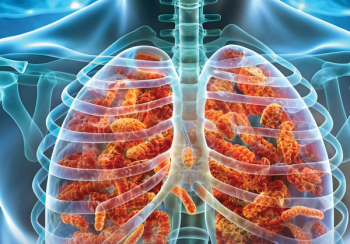
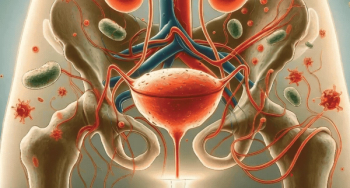
TB primarily affects the lungs but can also impact other organs such as the kidneys, brain, and spine. It spreads through aerosolized droplets when an infected person coughs, sneezes, or spits. While about a quarter of the global population is infected with Mycobacterium tuberculosis, only 5-10% will develop active TB disease. Individuals with weakened immune systems, such as those with HIV, diabetes, or malnutrition, are at an increased risk of progressing from latent infection to active TB disease.3
WHO’s Global Strategy to End TB by 2030
The WHO has set a global strategy to end the TB epidemic by 2030, aligned with the United Nations Sustainable Development Goals (SDGs). Achieving this ambitious target requires substantial financial investment. The WHO estimates that US$ 22 billion is needed annually for TB prevention, diagnosis, treatment, and care to meet global targets by 2027.3
What You Need To Know
TB cases among children in the EU/EEA increased by 26% in 2023, marking the third consecutive year of growth.
Treatment success rates remain low, with only 67.9% of TB patients and 56% of MDR-TB patients completing treatment.
TB was the leading infectious disease killer in 2023, with 1.25 million deaths worldwide and ongoing outbreaks in regions like Kansas.
Improved Diagnostics and Treatment Options for MDR-TB
Recent advances in diagnostics, such as rapid molecular tests like Xpert MTB/RIF Ultra and Truenat assays, have significantly improved early detection of TB and drug-resistant forms. Although, access to these diagnostic tools remains limited, especially in low-resource settings. The WHO recommends the BPaLM/BPaL regimen for MDR-TB treatment. This shorter, all-oral regimen has shown high efficacy, reduces treatment duration, and improves patient adherence and clinical outcomes.3
Tuberculosis Outbreak in Kansas: March 2025 Update
The US saw an outbreak in Kansas earlier this year and it is currently ongoing. The report provides an update on TB cases associated with an outbreak first identified in 2024. As of March 21, 2025:4
Active TB cases: 68 total (61 in Wyandotte County, 7 in Johnson County).
Latent TB infections: 80 total (78 in Wyandotte County, 2 in Johnson County).
Individuals remain classified as "active TB" until they complete treatment, after which they are considered cured or successfully treated.
References
1. Childhood tuberculosis cases up by 26% in the EU/EEA. Eurekalert. March 24, 2025. Accessed March 24, 2025. https://www.eurekalert.org/news-releases/1077809
2. Tuberculosis surveillance and monitoring in Europe 2025 - 2023 data.
European Centre for Disease Prevention and Control, WHO Regional Office for Europe. Tuberculosis surveillance and monitoring in Europe 2024 – 2022 data. Copenhagen: WHO Regional Office for Europe and Stockholm: European Centre for Disease Prevention and Control; 2024. https://www.ecdc.europa.eu/en/publications-data/tuberculosis-surveillance-and-monitoring-europe-2025-2023-data
3. World Health Organization (WHO). Tuberculosis. March 14, 2025. Accessed March 24, 2025. https://www.who.int/news-room/fact-sheets/detail/tuberculosis