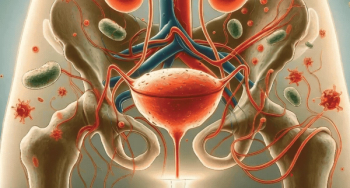
A recent commentary in JAMA discussed the growing concerns around a Neisseria gonorrhoeae strain.1 Specifically the identification of the penA 60.001 allele in N gonorrhoeae, a genetic variation helps contribute to antibiotic resistance. The penA 60.001 allele alters the bacterial response to cephalosporins.2
As incidence rates continue to increase, the rise of this drug-resistant strain become a greater possibility.
According to the Centers for Disease Control and Prevention (CDC) there were more than 2.5 million cases of chlamydia, gonorrhea, and syphilis reported in the United States in 2022.3 And the World Health Organization (WHO) reports that in 2020, there were an estimated 82.4 million [47.7 million-130.4 million] new gonorrhea cases infected among adolescents and adults aged 15–49 years worldwide, with a global incident rate of 19 (11–29) per 1000 women and 23 (10–43) per 1000 men. Most cases were in the WHO African Region and the Western Pacific Region.4
Although the multidrug-resistant gonorrhea strain has been seen mostly outside the United States, last year 2 cases of this pathogen were confirmed in the US and identified by the Massachusetts Department of Public Health.
Massachusetts officials reported that clinicians were able to treat the patients successfully with ceftriaxone. However, this strain of the sexually transmitted infection had reduced susceptibility to 5 antibiotic classes—including cephalosporins, the group of last-resort drugs that includes ceftriaxone.1