

|Videos|December 16, 2019
ASHP 2019 News Network: The Importance of Site of Care in ABSSSI Treatment
Advertisement
Episodes in this series







Segment Description: Krutika N. Mediwala, PharmD, BCPS, BCIDP, assistant professor, College of Pharmacy, Medical University of South Carolina, highlights the importance of site of care for acute bacterial skin and skin structure infection.
Interview transcript (modified slightly for readability):
So the site of care is very important right now, especially with the new drugs coming out as far as reimbursement goes, as well as the ability for our patients to get these drugs. Usually with the way they have been going, especially our lipoglycopeptides that are available for much cheaper and much more readily available in the outpatient settings. Really our most uses seen in the ED [emergency department] with patients because that's what they're been approved for. The whole point is to identify these patients in the ED or an outpatient setting, administer the drugs so we avoid them getting actually admitted in the hospital and incur all those costs as well as possible adverse events.
But the site should also get expanded to inpatient or other ambulatory settings just because access is a huge thing for a lot of patients. My institution specifically takes care of a lot of the indigenous population from rural South Carolina, so having that access, again, outpatient stewardship can help with that. So they don't have to come all the way to my institution, just to come to the ED, get this drug and then have to go drive back. It's going to be a shorter time to get that drug than they took to drive to the hospital with that. So just access to care for these patients as well as acquisition ease.
Advertisement
Related to this article
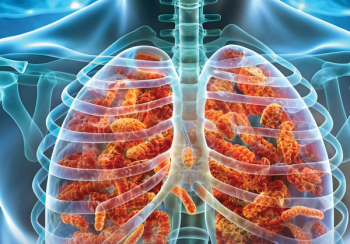
Reported cases of Legionnaires’ disease have been on the rise for the past decade, and identifying Legionella bacteria requires specialized testing in the microbiology lab. Here is a clinical overview of Legionella bacteria, including required testing, treatment, and reporting to public health officials.

The 18-year old resident of the state suffered from acute disseminated encephalomyelitis. Pennsylvania numbers are surging with some of the highest state totals of measles cases in the country.

In its second disease cluster this summer, city officials are cleaning building towers in the South Bronx amidst an ongoing investigation and are rolling out measures to prevent future Legionnaires' cases.
The death was reported in Jefferson County where the coroner released a statement announcing it was in an unvaccinated woman.
Preliminary REMAP-CAP data suggesting oseltamivir may increase mortality in critically ill ICU influenza patients has sparked polarized reactions, but clinicians should await the full peer-reviewed manuscript before drawing broad conclusions, since the signal comes from a narrow, severely ill population and may reflect a therapeutic window effect rather than a blanket lack of efficacy.
The Vaccine Integrity Project, in collaboration with the American Medical Association, conducted a vaccine and immunization effectiveness and safety review for RSV, Influenza, and COVID-19 for the 2026-2027 season. JAMA published the review, and here is an overview of the data going into this year's seasonal respiratory virus season.
GSK will advance its investigational mRNA seasonal flu vaccine candidate, which targets both hemagglutinin and neuraminidase, into a phase 3 trial in September 2026 after the shot outperformed licensed flu vaccines in a phase 2 study.

Gavin Harris, MD, provides some context around what is happening in the Democratic Republic of Congo regarding the outbreak including the country’s inherent challenges as well as discussing the latest in testing, vaccines, and treatments of this rare strain of Ebola.
Advertisement
Advertisement
Trending on Contagion Live
1
Measles Update: September 18, 2026
2
CDC Responds to Surge in Rabies Exposures
3
This Week's Top 5 Infectious Disease News Stories: September 12-September 18, 2026
4
A Pennsylvania Teen Dies From Rare Measles Neurological Complication
5