News|Articles|October 28, 2024

Better Physical and Mental Health Following Rebyota Treatment for CDI

Author(s)Sophia Abene

Ferring presented new real-world data demonstrating that 73.3% of patients reported enhanced physical function and 86.7% experienced better mental well-being.

Ferring Pharmaceuticals has unveiled new real-world data analyses for Rebyota (fecal microbiota, live – jslm) at the American College of Gastroenterology (ACG) 2024 annual meeting. These analyses demonstrate Rebyota's effectiveness in patients with gastrointestinal conditions, whether treated at home or in clinical settings, contributing to the expanding evidence supporting its use.

Among the three analyses presented, the third focused on patients' health-related quality of life (HRQoL) from a Phase 3b clinical trial. Preliminary data from 15 interviews indicated significant post-treatment improvements, with 73.3% of patients reporting enhanced physical function and 86.7% experiencing better mental well-being.

In this interim analysis, participants from the CDI-SCOPE clinical trial were interviewed to assess the burden of recurrent Clostridioides difficile infection (CDI) on HRQoL and to identify improvements after Rebyota administration.

Patient Symptoms: Before treatment, 66.7% of patients reported diarrhea as their most bothersome symptom, with 70% emphasizing its resolution as crucial.

Post-Treatment Outcomes: After receiving Rebyota, 53.3% of participants reported complete resolution of diarrhea, while 46.7% noted reduced severity, with average symptom severity ratings decreasing from 8.4 to .3 on a scale of 0-10.

Impact on Daily Life: CDI significantly disrupted daily activities, with 80% of patients needing to stay close to a bathroom, impacting leisure time (80%), sleep (73.3%), and nutrition (73.3%). Additionally, 60% expressed concerns about the recurrence of CDI and reported debilitating fatigue.

Improvements After Rebyota: Following treatment, patients noted improvements in physical function (73.3%), family interactions (93.3%), leisure activities (73.3%), and overall mental health (86.7%).

Rebyota is FDA-approved for preventing recurrent CDI in adults following antibiotic treatment. The therapy comprises a microbiota suspension administered rectally, delivering trillions of live microbes directly to the gut. CDI presents a significant healthcare challenge, with high recurrence rates after initial treatment. Ferring's analyses underscore Rebyota 's potential to improve clinical outcomes and enhance the quality of life for patients suffering from this debilitating condition. These findings highlight Rebyota 's role in addressing clinical symptoms and the overall quality of life in patients with recurrent CDI, supporting its efficacy and safety in real-world settings.

Learn more about Rebyota’s success in different clinical studies: A Clinician’s Perspective on REBYOTA for Recurrent C. Diff Treatment

Reference

Ferring Presents New Data Analyses for REBYOTA® (fecal microbiota, live – jslm) at ACG 2024. Ferring. October 28, 2024. Accessed October 28, 2024. https://ferringusa.com/?press=ferring-presents-new-data-analyses-for-rebyota-fecal-microbiota-live-jslm-at-acg-2024

Related to this article

Peggy Lillis Foundation Will Honor C diff Advocates at Annual Gala
The Peggy Lillis Foundation will host its 17th Annual Changing the Odds Gala this month in New York City, and it will include a casino, fellowship amongst the C diff community, and an award ceremony honoring a physician-scientist, philanthropist, a researcher, and a patient advocate for their contributions to C difficile awareness, treatment, and prevention.
How The Food Safety Surveillance Infrastructure Works in the US
In the first episode of our news series looking at the food safety network, Lynette Johnston, PhD, offers insights into how the federal government surveillance infrastructure operates, and how epidemiologists serve as food detectives in determining bacterial pathogens and potential foodborne outbreaks.
Ebola and the Ongoing Tale of US Failures
In mid-May, as the world was still grappling with an unexpected hantavirus outbreak aboard a tourism vessel, news broke of an Ebola outbreak in the Ituri Province of the Democratic Republic of the Congo spanning at least 3 health zones, including Bunia, Rwampara, and Mongbwalu.
This Week's Top 5 Infectious Disease News Stories: September 12-September 18, 2026
In this week's top infectious disease stories, a Pennsylvania teen became the state's fourth measles death in weeks, the CDC reported a 17% summer surge in rabies exposure calls, new research revisited whether cefepime raises mortality risk, a multihospital review examined ceftriaxone's safety after state alerts, and examining Legionella pneumonia diagnostics.
Measles Update: September 18, 2026
The latest CDC numbers show a 5.37% increase of measles cases from week-to-week. In Pennsylvania, the fourth measles-related death was reported in 2026. Additionally, the CDC has made a change in the way it will report deaths.
CDC Responds to Surge in Rabies Exposures
A "Clinician Outreach" from the Centers for Disease Control and Prevention (CDC) in April anticipated an increase in rabies exposures, and the striking surge in case reports this summer prompted a recent health advisory alert from the federal agency.
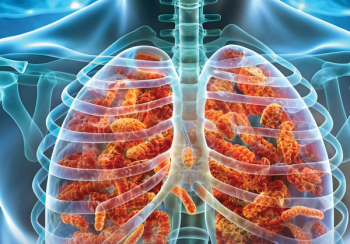
New Diagnositics for Legionella Pneumonia May Streamline Care Continuum
Reported cases of Legionnaires’ disease have been on the rise for the past decade, and identifying Legionella bacteria requires specialized testing in the microbiology lab. Here is a clinical overview of Legionella bacteria, including required testing, treatment, and reporting to public health officials.
Ceftriaxone Safety: Separating Signal From Risk
A retrospective multihospital study found that severe adverse events occurred at similarly low rates with ceftriaxone and other IV cephalosporins suggesting there is no evidence to support avoiding ceftriaxone despite recent health department safety alerts.