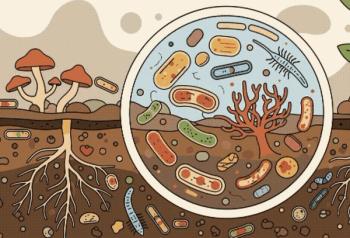
Widespread antimicrobial use disrupts vital microbial communities that regulate Earth’s biogeochemical cycles, driving antimicrobial resistance, worsening human and environmental health, and significantly contributing to climate change.
Tonight, the FDA announced that Rebyota (RBX2660) is the first approved fecal microbiota product, intended to prevent recurrent C difficile infection in adults.
This evening, the US Food and Drug Administration (FDA) approved its first fecal microbiota product,
RBX2660 was approved to prevent recurrent
“Recurrent CDI impacts an individual’s quality of life and can also potentially be life-threatening,” said Peter Marks, MD, PhD, director of the FDA’s Center for Biologics Evaluation and Research. “As the first FDA-approved fecal microbiota product, today’s action represents an important milestone, as it provides an additional approved option to prevent recurrent CDI.”
The therapy was developed by Ferring Pharmaceuticals, and is produced in a standardized manner, “With donor screening standardized, composition of numbers of bacteria standardized, and patient follow-up standardized,” said Sahil Khanna, MBBS, MS, a professor at the Mayo Clinic.
C difficile causes severe disease by inflating the colon and causing potentially life-threatening diarrhea. The
Recurrent C diff infection is associated with even higher rates of morbidity and mortality, treatment options are limited or may worsen the problem by further disrupting the gut microbiome. RBX2660 is an alternative to both taking more antibiotics and
RBX2660 is administered rectally in 1 dose. The safety and efficacy of the treatment were assessed in 2 randomized, double-blind, placebo-controlled clinical studies and from numerous other open-label studies.
Statistical analyses of treatment efficacy suggest recurrent CDI was prevented in 70.6% of RBX2660 recipients, as compared to 57.5% reduction of placebo recipients. The majority of adverse events were mild, and the most commonly reported side effects were abdominal pain, bloating, diarrhea, gas, and nausea.