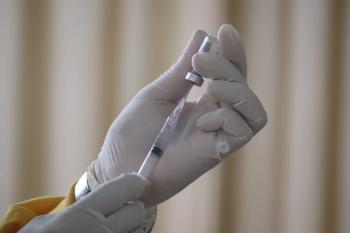
FDA approved updated 2026-2027 COVID-19 vaccines from Pfizer-BioNTech, Moderna, and Novavax's partners, all reformulated to target the XFG variant, giving clinicians several options ahead of the fall respiratory virus season.
COVID-19 mRNA vaccine effectiveness wanes even faster during Omicron than during Delta variant predominance, but a booster dose still provides lasting defense against COVID-19 hospitalization and death.
Just as a primary
In their
Conducted during the period when the highly transmissible Omicron was the dominant COVID-19 variant, the study found that in the first 2 months after a third booster dose, recipients had an 91% reduced risk of hospitalization. By the fourth month after boosting, vaccine protection against hospitalization had dipped to 78%.
The test-negative case-control study utilized data from 8 VISION Network sites, analyzing vaccine effectiveness against COVID-19 emergency department/urgent care (ED/UC) visits and hospitalizations among adults 18 years and older. The VISION Network data encompassed 241204 ED/UC encounters and 93408 hospitalizations across 10 US states from August 26, 2021-January 22, 2022, representing several points in time after receipt of a second or third vaccine dose during both Delta and Omicron variant predominance.
During both the Delta and Omicron periods, antibody levels were higher after a third dose than after a second, but vaccine protection waned more rapidly during the Omicron period. Vaccine efficacy for participants who received 2 or 3 doses was lower during the Omicron period than during the Delta period.
During Omicron, vaccine efficacy against ED/UC visits was 87% during the first 2 months after a booster dose and decreased to 66% 4-5 months after vaccination. Protection against hospitalizations was 91% in the first 2 months after boosting, dipping to 78% 4 or more months after receiving the third dose.
Waning vaccines have become a major concern, especially as Omicron continues to cause breakthrough infections. However, the investigators found boosters do raise antibodies enough to provide lasting protection against severe COVID-19 disease, hospitalization, and death. The study authors wrote, “All eligible persons should remain up to date with recommended COVID-19 vaccinations to best protect against COVID-19–associated hospitalizations and ED/UC visits.”
The CDC currently recommends
Both