Yesterday, the FDA took a major step toward officially approving Paxlovid. Catch up on this story and the other top COVID-19 news updates from the past week.
In the phase 3 LIBERTY study, the investigational monoclonal antibody, VYD2311, had significantly fewer adverse events than an mRNA COVID-19 vaccine, and it did not blunt vaccine-induced neutralizing titers when the two were given together.
A new study in infants challenges the long-standing belief about the pathogen’s effects in the youngest pediatric population. Senior author Joseph Zackular, PhD, provides insights around his work including how it reshapes gut development and offers potential intervention strategies to shield neonates.
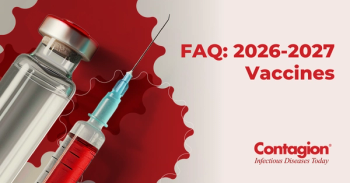
FDA approved updated 2026-2027 COVID-19 vaccines from Pfizer-BioNTech, Moderna, and Novavax's partners, all reformulated to target the XFG variant, giving clinicians several options ahead of the fall respiratory virus season.
The Peggy Lillis Foundation will host its 17th Annual Changing the Odds Gala this month in New York City, and it will include a casino, fellowship amongst the C diff community, and an award ceremony honoring a physician-scientist, philanthropist, a researcher, and a patient advocate for their contributions to C difficile awareness, treatment, and prevention.
IDSA/ESCMID panel member Henry Chambers, MD, explains why the new S aureus bacteremia guidance replaces the complicated vs uncomplicated label with risk stratification, and how the statements are akin to the stages of cancer in guiding treatment decisions associated with this bacteremia.
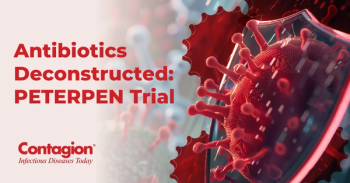
Jason Pogue, PharmD, BCPS, BCIDP, contextualizes preliminary data looking at this trial and other extended-spectrum beta-lactamase (ESBL) studies, which reopens the debate around carbapenem-sparing treatment options.
Following World Rabies Day and a CDC health advisory on a 17% rise in exposure-related calls, Rodney E. Rohde, PhD, explains what the increase means, what people should do when they have an animal bite or scratch, and how clinicians should assess risk and administer post-exposure prophylaxis (PEP).
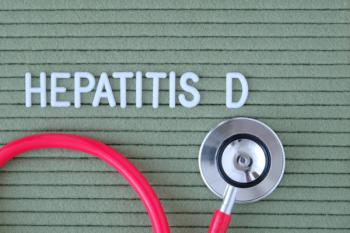
The monoclonal antibody, Brelovitug, met the combined virologic and ALT response end point at week 24 in AZURE-1, with 56% response on 300 mg weekly and 45% on 900 mg every four weeks. The manufacturer projects a potential US launch in the fourth quarter of 2027.