|Articles|May 17, 2022

FDA Approves Pfizer-BioNTech Booster Shot for Children 5 and Older

Author(s)Nina Cosdon

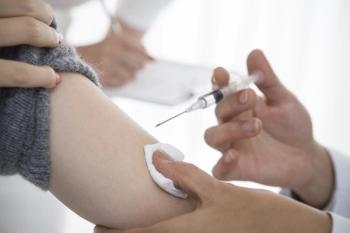
A third, “booster,” dose of the Pfizer-BioNTech COVID-19 vaccine is now FDA-approved for children 5-11 years old.

Today, the US Food and Drug Administration (FDA) approved booster doses of the Pfizer-BioNTech COVID-19 vaccine for children 5-11 years of age.

Now, children as young as 5 can receive a third dose of the vaccine at 5 or more months after their initial 2-dose Pfizer-BioNTech vaccination series.

“While it has largely been the case that COVID-19 tends to be less severe in children than adults, the Omicron wave has seen more kids getting sick with the disease and being hospitalized,” Robert M. Califf, MD, the FDA Commissioner, said in a statement explaining the expanded recommendation. “Children may also experience longer term effects, even following initially mild disease.”

There has been a growing push for approval of boosters in children. “Emerging data suggest that vaccine effectiveness against COVID-19 wanes after the second dose of the vaccine in all authorized populations,” said Peter Marks, MD, PhD, director of the FDA’s Center for Biologics Evaluation and Research.

“The FDA has determined that the known and potential benefits of a single booster dose of the Pfizer-BioNTech COVID-19 vaccine for children 5 through 11 years of age at least five months after completing a primary series outweigh its known and potential risks and that a booster dose can help provide continued protection against COVID-19 in this and older age groups.”

On January 3, the FDA recommended Pfizer-BioNTech booster shots for children 12 years and older. Simultaneous with this expansion to adolescents, the FDA shortened the time in between second and third doses from 6 months to 5 months.

Pfizer-BioNTech is currently the only COVID-19 vaccine approved for children and adolescents (5-17 years of age). Moderna previously announced filing for EUA of its mRNA COVID-19 vaccine for children as young as 6 months, but Pfizer-BioNTech is still the only COVID-19 vaccine FDA- and CDC-approved for primary vaccination and booster vaccination in children.

The efficacy of COVID-19 booster vaccination in pediatric populations was based on results from an ongoing, randomized, placebo-controlled study. Data from this trial contributed to the initial FDA decision to approve Pfizer-BioNTech COVID-19 vaccine for children 5-11 years.

Investigators monitored the safety and antibody responses of 67 children who received a booster dose 7-9 months after their initial 2-dose Pfizer-BioNTech vaccine series. Comparatively, COVID-19 antibody titers increased significantly after a booster dose.

Another study of approximately 400 children in this age group assessed the safety of receiving a booster 5-9 months after primary vaccination. The most common adverse events were pain, injection site reactions (redness and swelling), fatigue, headache, muscle or joint pain, chills, and fever.

“Vaccination continues to be the most effective way to prevent COVID-19 and its severe consequences, and it is safe,” Califf said. “If your child is eligible for the Pfizer-BioNTech COVID-19 vaccine and has not yet received their primary series, getting them vaccinated can help protect them from the potentially severe consequences that can occur, such as hospitalization and death.”



Related to this article

Pfizer 25-Valent Pneumococcal Vaccine Boosts Serotype 3 Response in Infants
Alejandra Gurtman, MD, discussed the phase 2 data at IDWeek 2026 which showed the investigational 25-valent pneumococcal conjugate vaccine 25vPnC produced serotype 3 antibody levels about 15-fold higher than Prevnar 20 after the booster dose, targeting a serotype still behind 10.6% of invasive pneumococcal disease in US children younger than five years.
Measles Update: October 30, 2026
The latest CDC numbers show a 5.8% increase in measles cases from week-to-week, bringing the 2026 US total to more than double the amount seen in all of 2025 with 2 months left in the year.
Measles Update: October 23, 2026
The latest CDC numbers show a 4.0% increase in measles cases from week-to-week, bringing the 2026 US total to 4588 confirmed cases. Ninety-six percent of cases are outbreak-associated.
Inhaled Amikacin Shows Low Resistance Rates in MAC Lung Disease in ENCORE
In the phase 3b ENCORE trial, adding amikacin liposome inhalation suspension (ALIS) to azithromycin and ethambutol significantly improved culture conversion in newly diagnosed MAC lung disease, while treatment-emergent amikacin (2.2%) and macrolide (1.1%) resistance stayed rare. Kevin Winthrop, MD, provides insights around the study.