
|Videos|September 21, 2021
HIV: Antiretroviral Therapy and Weight Gain
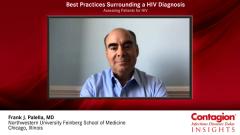
Author(s)Frank J. Palella, MD
A discussion regarding the risk of weight gain associated with antiretroviral therapies used to treat HIV infections.
Advertisement
Episodes in this series
Frank J. Palella, MD: Concerns about weight gain in association with antiretroviral therapy have emerged over the last several years since the advent of the second-generation integrase strand transfer inhibitor antiretrovirals. From multiple interventional and observation studies of large diverse populations of persons with HIV, we’ve learned that for both treatment-naїve individuals or virally suppressed persons who are switching to these therapies, weight gain can occur often in excess of what we’d consider to be a return to health for treatment-naїve persons.
This weight gain can constitute a concern medically, functionally, and cosmetically. A concern on the part of the provider in terms of the potential for weight gain to put patients in a category where they’re clearly overweight, and potentially then increase the risk for weight-gain-associated, noninfectious comorbidities like insulin-resistance diabetes, hyperlipidemia, hypertension, cardiac illness, fatty liver disease or liver inflammation, as well as a host of other metabolic conditions.
We need to proactively talk about weight gain to patients who are initiating therapy or patients who are switching. The data that have emerged suggest that there are certain ethno-demographic characteristics of patients that might put them at greater risk. Women, particularly women of color, appear to be at the greatest risk for not only weight gain but the greatest amount of weight gain upon initiation of therapy. Because we’re aiming toward the optimization of overall health in treating HIV, we have to discuss openly and transparently with the patient and consider in the balance what we determine to be the overall risk-benefit ratio of initiating different therapies, and to engage our clients in these discussions as to what might work best for them, what we will be monitoring them for—including weight gain once therapy is initiated—and what steps we might take if we encounter a situation in which excess weight gain is encountered, including alteration of therapy.
Transcript edited for clarity.
Advertisement
Related to this article

New data from the PETERPEN trial suggest that piperacillintazobactam may be noninferior to meropenem for early clinical outcomes in select patients with ESBL bloodstream infections, but carbapenems remain the standard of care until final mortality results are available and fully analyzed.

Star Meat Delivery is recalling approximately 167,639 pounds of raw pork, beef, and goat products produced without federal inspection.

A new study in infants challenges the long-standing belief about the pathogen’s effects in the youngest pediatric population. Senior author Joseph Zackular, PhD, provides insights around his work including how it reshapes gut development and offers potential intervention strategies to shield neonates.

Outcomes from treating orthopedic infection with debridement and implanted antibiotic were similar whether followed by short or standard duration of systemic antibiotic.
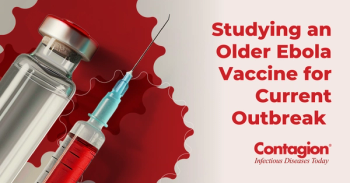
Investigators accessed longitudinal human data from ebola virus vaccination for signals of efficacy against the Bundibugyo species now surging in the Democratic Republic of Congo.

In the first episode of our news series looking at the food safety network, Lynette Johnston, PhD, offers insights into how the federal government surveillance infrastructure operates, and how epidemiologists serve as food detectives in determining bacterial pathogens and potential foodborne outbreaks.

In mid-May, as the world was still grappling with an unexpected hantavirus outbreak aboard a tourism vessel, news broke of an Ebola outbreak in the Ituri Province of the Democratic Republic of the Congo spanning at least 3 health zones, including Bunia, Rwampara, and Mongbwalu.
In this week's top infectious disease stories, a Pennsylvania teen became the state's fourth measles death in weeks, the CDC reported a 17% summer surge in rabies exposure calls, new research revisited whether cefepime raises mortality risk, a multihospital review examined ceftriaxone's safety after state alerts, and examining Legionella pneumonia diagnostics.
Advertisement
Advertisement
Trending on Contagion Live
1
US Company Recalls Thousands of Pounds of Uninspected Meat
2
Carbapenem-Sparing Therapy for ESBL Bacteremia: New Trials, Old Questions
3
How The Food Safety Surveillance Infrastructure Works in the US
4
Asymptomatic C difficile Colonization in Infants Doesn’t Mean Benign
5