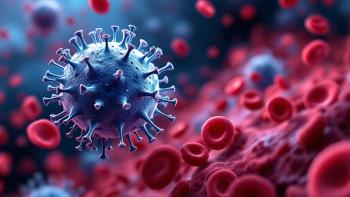
Human metapneumovirus (hMPV), of the paramyxovirus family, was discovered in 2001. hMPV can affect individuals of all ages, however, older adults, children, and those with weak immune systems are at highest risk of contracting the virus.
hMPV in the US
Causing both upper and lower respiratory diseases, it seems that hMPV infections in the US have been on the rise in the last three months, with approximately 15 individuals testing positive for the virus last week, compared to 6 infections in late 2015; however, the Centers for Disease Control and Prevention (CDC) reports that, when compared to hMPV infections in March of 2015 (14), there is no remarkable difference.
Transmission and Symptoms of hMPV
Much like measles and respiratory syncytial virus, hMPV can be spread through both direct and indirect contact with nasal and oral secretions of an infected individual. One can get infected by simply shaking hands with someone who is hMPV positive, or by touching contaminated surfaces. An individual will begin to exhibit symptoms between 3 to 6 days after initial infection. If an individual starts to display symptoms, it is imperative that they notify their doctor if they have come in contact with someone who tested positive for hMPV, as many healthcare professionals will not test for the virus since it is has only recently been discovered.
hMPV can develop into bronchiolitis or pneumonia. Milder symptoms include:
- Cough
- Fever
- Nasal congestion
- Shortness of breath
hMPV Prevention
Although antiviral therapy for hMPV is not yet available, as with other respiratory illnesses, it is recommended that individuals who have hMPV take the following measures to prevent spread of the virus:
- Cover your coughs and sneezes
- Practice proper handwashing (scrub with soap for at least 20 seconds
- Avoid sharing cups and utensils
- Avoid kissing others
- Wipe down all possibly contaminated surfaces