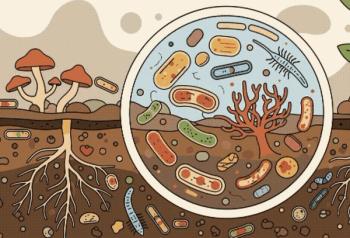
Widespread antimicrobial use disrupts vital microbial communities that regulate Earth’s biogeochemical cycles, driving antimicrobial resistance, worsening human and environmental health, and significantly contributing to climate change.
Staphylococcus aureus Bacteremia (SAB) causes significant morbidity and globally is the leading cause of death from bloodstream infection. This month, the IDSA and ESCMID released 7 consensus statements to assist in managing individuals with SAB. This review will focus on the adult patient population and additional information on pediatric population statements can be assessed in the guideline. Here is a closer look at Consensus Statement 2: Follow-up Blood Cultures.
On September 9, the Infectious Disease Society of America (IDSA) and European Society of Clinical Microbiology and Infectious Disease (ESCMID) released Part 1 of the latest Consensus Statements on Staph aureus Bacteremia (SAB), including risk stratification, diagnostic evaluation and management of adults and children.1 SAB is the leading cause of death from bloodstream infection and causes substantial morbidity due to frequent deep-seated and metastatic foci of infection.1 The Consensus Statement 2 addressed the following question: