|Articles|April 14, 2021

Improving Urine Collection Poses Opportunity for Diagnostic Stewardship in Primary Care

Author(s)Killian Meara

More than half of urine cultures were found to be contaminated and 1 in 5 of the patients were prescribed an antibiotic.

Urine cultures exhibit a significant influence on the treatment of suspected urinary tract infections (UTI) and are the most common microbiological tests in outpatient settings.

While results from urine cultures are typically needed for confirmation of a UTI diagnosis, physicians will often prescribe antibiotics before results are received.

This poses a threat to patient care, because although urine cultures are the gold standard for a UTI diagnosis, they can easily become contaminated during the collection process and physicians will often need to make adjustments to treatment once they receive the testing results.

To determine the prevalence of contaminated cultures, along with predictors and antibiotic use associated with contaminated urine cultures, investigators analyzed data from 2 adult safety net primary care clinics.

The study included 1,265 patients and found that of those, 264 had no culture growth, 694 were contaminated, 159 had low counts of growth and 148 had high counts of growth. Additional findings showed that of the 694 with contaminated cultures, 153 were prescribed an antibiotic and of the 264 who showed no culture growth, 36 were prescribed an antibiotic.

This study demonstrates that more than half of urine cultures tend to be contaminated, and that 1 in 5 patients were treated with an antibiotic.

Reducing the contamination of urine cultures will almost certainly provide an improvement on patient care, as more accurate records are relevant to managing any future UTI episodes.

Contagion spoke to Larissa Grigoryan, MD, PhD, assistant professor of Family and Community Medicine at the Baylor College of Medicine, who presented the research at The Society for Healthcare Epidemiology of America Conference 2021, about the study.


Related to this article

How The Food Safety Surveillance Infrastructure Works in the US
In the first episode of our news series looking at the food safety network, Lynette Johnston, PhD, offers insights into how the federal government surveillance infrastructure operates, and how epidemiologists serve as food detectives in determining bacterial pathogens and potential foodborne outbreaks.
Ebola and the Ongoing Tale of US Failures
In mid-May, as the world was still grappling with an unexpected hantavirus outbreak aboard a tourism vessel, news broke of an Ebola outbreak in the Ituri Province of the Democratic Republic of the Congo spanning at least 3 health zones, including Bunia, Rwampara, and Mongbwalu.
This Week's Top 5 Infectious Disease News Stories: September 12-September 18, 2026
In this week's top infectious disease stories, a Pennsylvania teen became the state's fourth measles death in weeks, the CDC reported a 17% summer surge in rabies exposure calls, new research revisited whether cefepime raises mortality risk, a multihospital review examined ceftriaxone's safety after state alerts, and examining Legionella pneumonia diagnostics.
Measles Update: September 18, 2026
The latest CDC numbers show a 5.37% increase of measles cases from week-to-week. In Pennsylvania, the fourth measles-related death was reported in 2026. Additionally, the CDC has made a change in the way it will report deaths.
CDC Responds to Surge in Rabies Exposures
A "Clinician Outreach" from the Centers for Disease Control and Prevention (CDC) in April anticipated an increase in rabies exposures, and the striking surge in case reports this summer prompted a recent health advisory alert from the federal agency.
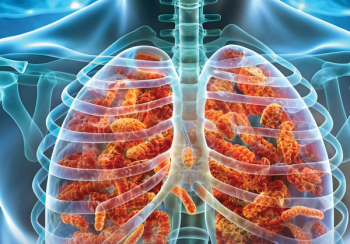
New Diagnositics for Legionella Pneumonia May Streamline Care Continuum
Reported cases of Legionnaires’ disease have been on the rise for the past decade, and identifying Legionella bacteria requires specialized testing in the microbiology lab. Here is a clinical overview of Legionella bacteria, including required testing, treatment, and reporting to public health officials.
Ceftriaxone Safety: Separating Signal From Risk
A retrospective multihospital study found that severe adverse events occurred at similarly low rates with ceftriaxone and other IV cephalosporins suggesting there is no evidence to support avoiding ceftriaxone despite recent health department safety alerts.