|Videos|November 11, 2021

Investigational Therapies, Modalities May Change Recurrent C Difficile Treatment Trajectory

During the C Diff Foundation's Annual conference, providers and stakeholders offered insights on the latest investigational therapies and modalities as they advance through clinical trials.

Video Highlights

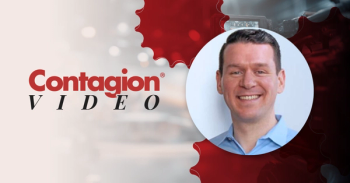
1:25 Paul Feuerstadt, MD, FACG, AGAF

3:16 Dale Gerding, MD, FACP, FIDSA

5:21 Glenn Tillotson, PhD, FIDSA, FCCP

Welcome to our series, 1 Big Question, which asks 1 question to the medical community and we get their feedback on an important infectious disease topic.

In this episode, our 1 Big Question is: Recurrent C difficile has been a clinical challenge. What more can be done to address it?

We interviewed presenters from the 9th Annual International C. Diff Conference & Health EXPO, including Conference Co-Chair and Keynote Speaker Paul Feuerstadt, MD, FACG, AGAF, attending gastroenterologist, PACT Gastroenterology Center, Dale Gerding, MD, FACP, FIDSA, professor of Medicine at Loyola University Chicago Stritch School of Medicine in Maywood, Illinois, and research physician at the Edward Hines Jr. VA Hospital, and Glenn Tillotson, PhD, FIDSA, FCCP, GST Micro LLC.

Check out our video to hear their insights.

Related to this article

Peggy Lillis Foundation Will Honor C diff Advocates at Annual Gala
The Peggy Lillis Foundation will host its 17th Annual Changing the Odds Gala this month in New York City, and it will include a casino, fellowship amongst the C diff community, and an award ceremony honoring a physician-scientist, philanthropist, a researcher, and a patient advocate for their contributions to C difficile awareness, treatment, and prevention.
Asymptomatic C difficile Colonization in Infants Doesn’t Mean Benign
A new study in infants challenges the long-standing belief about the pathogen’s effects in the youngest pediatric population. Senior author Joseph Zackular, PhD, provides insights around his work including how it reshapes gut development and offers potential intervention strategies to shield neonates.
How The Food Safety Surveillance Infrastructure Works in the US
In the first episode of our new series looking at the food safety network, Lynette Johnston, PhD, offers insights into how the federal government surveillance infrastructure operates and how epidemiologists serve as food detectives in determining bacterial pathogens and potential foodborne outbreaks.