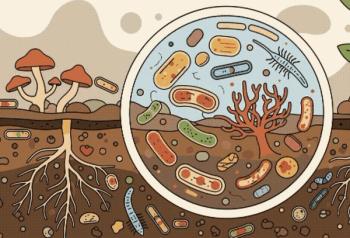
Widespread antimicrobial use disrupts vital microbial communities that regulate Earth’s biogeochemical cycles, driving antimicrobial resistance, worsening human and environmental health, and significantly contributing to climate change.
Preliminary research suggests that women who take antibiotics for long periods of time in late adulthood may be at increased risk of death from heart disease and other causes.
Preliminary research presented at the American Heart Association’s Epidemiology and Prevention | Lifestyle and Cardiometabolic Health Scientific Sessions 2018, has found that women who take antibiotics for long periods of time—especially later in life—appear to be at increased risk of death from
It has been known for some time that antibiotic use can affect not only the target pathogen but also
“Gut microbiota alterations have been associated with a variety of life-threatening disorders, such as cardiovascular diseases and certain types of cancer,” study author Lu Qi, MD, PhD, professor of epidemiology at Tulane University in New Orleans, Louisiana, said in a recent
Until this study, researchers had yet to assess relatively healthy populations of individuals to determine how the duration of antibiotic therapy at different times throughout adulthood might be associated with all-cause and cause-specific risk of death.
“Antibiotic exposure affects balance and composition of the gut microbiome, even after one stops taking antibiotics; so, it is important to better understand how taking antibiotics might impact risks for chronic diseases and death,” he said.
To investigate this further, researchers from the Tulane University School of Public Health and Tropical Medicine teamed up with investigators from the Harvard T.H. Chan School of Public Health to conduct a research study. The team enrolled 37,510 women—60 years of age or older—who did not have heart disease or cancer prior to when the study began; the women reported their antibiotic use to the researchers.
Based on the duration of use, researchers classified the women into 4 groups: those who did not use antibiotics at all; those who used them for fewer than 15 days, those who used antibiotics from 15 days to <2 months; and those who used antibiotics >2 months. The study participants were followed for 8 years—from 2004 to June 2012.
The researchers found that compared with women who did not take any antibiotics, those who took them for >2 months in late adulthood were 27% more likely to die from all causes during the study period. Furthermore, taking antibiotics for >2 months was linked with a 58% higher risk of cardiovascular death compared with not taking any antibiotics.
The association between long-term antibiotic use in late adulthood and the higher risk of death from all causes was more apparent among participants who reported also using antibiotics in middle adulthood (from 40 to 59 years of age), according to a recent release, than those who did not take antibiotics during that time.
“Although we observed a notable association between long-term antibiotic use and risk of death, it isn’t yet clear whether long-term antibiotic use is the specific cause of the association. For example, women who reported antibiotic use might be sicker in other unmeasured ways,” Dr. Qi said.
Of note, the associations found between duration of use and risk of death existed regardless of traditional risk factors for death, such as lifestyle factors, dietary habits, medication use, and more. The researchers did not find an association between antibiotic use and cancer-related death.
“These results contribute to a better understanding of risk factors for all-cause and cardiovascular death,” he said. “We now have good evidence that people who take antibiotics for long periods during adulthood may be a high-risk group to target for risk-factor modification to prevent heart disease and death.”