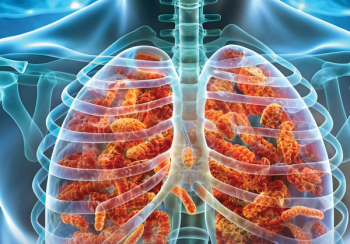
Karius Inc, an innovator in genomic diagnostics for infectious diseases, revealed that its Karius Test has been given the Breakthrough Device designation by The Center for Devices and Radiological Health (CDRH) of the FDA. This designation is granted for the utilization of the Karius Test in diagnosing and managing suspected lung infections, including lower respiratory infections and pneumonia, particularly in immunocompromised patients.1
Incorporating the Karius Test into the diagnostic process for identifying causative pathogens in pneumonia may enhance diagnostic efficacy beyond the standard of care (SOC) alone in individuals with hematological malignancies or those who have undergone hematopoietic cell transplantation (HCT).2
“Recent data from several trials indicate that the Karius Test offers a speedy, accurate, and sensitive diagnosis of infectious causes of pneumonia and related infections in immunocompromised patients. As such, it represents a major advance in the care of patients with hematologic cancers and those undergoing stem cell transplantation,” said Norman E Sharpless, MD; former Director of the National Cancer Institute and Acting Commissioner of the FDA, and member of the Karius board.1
In the PICKUP Study, standard methods often failed to detect pathogens responsible for pneumonia. Only 30% of pneumonia-causing pathogens were identified through standard invasive or non-invasive tests, despite an average of 15 tests per patient. When the Test was incorporated alongside standard testing, there was a 40% increase in identifying the underlying cause of pneumonia. It identified pathogens associated with pneumonia that were missed by conventional methods. This led to potential changes in antimicrobial treatment for 81% of patients whose pneumonia cause was solely identified by the Karius Test.2
“The Karius Test is commercially available nationwide as a laboratory developed test. We are seeking FDA marketing authorization of the Karius Test for lung infections in immunocompromised patients because improved diagnostic tests are urgently needed for these patients,” stated Brad Perkins, MD, Chief Medical Officer of Karius.1
Among these patients, adjustments to antimicrobial therapy included broadening, narrowing, or initiating antibacterial treatment earlier and modifying antiviral and antifungal coverage as necessary. Notably, 3 patients exhibited 2 adjudicated probable causes of pneumonia detected through plasma mcfDNA sequencing. Moreover, 6 of these microbes were identified as the etiology of pneumonia in multiple patients, highlighting the test's ability to detect common pathogens across different cases.2
The study represents the inaugural multicenter, prospective, observational research effort aimed at assessing the effectiveness of the Karius Test in comparison to SOC among adults diagnosed with hematologic malignancies (HM) or those who have undergone HCT and are suspected of having pneumonia.
Overall, the FDA's Breakthrough Device Designation for the Karius Test marks a significant moment in infectious disease diagnostics. With its capacity to identify pathogens in immunocompromised patients, the Karius Test can enhance patient care and outcomes.
References
Karius. Pneumonia in the ImmunoCompromised: Use of the Karius Test for the Detection of Undiagnosed Pathogens. Published May 16, 2024. Accessed May 28, 2024. https://kariusdx.com/pickup-study