The week's news included the differences in public attitudes towards influenza and COVID-19 vaccines, sex-based differences in direct-acting antivirals, a request for an emergency use authorization for a monoclonal antibody for COVID-19 prevention in the immunocompromised, and our final episode of our RSV Roundtable series, which has clinicians weighing in on the importance of counseling patients on the immunizations now and their significance for the future.
A new study in infants challenges the long-standing belief about the pathogen’s effects in the youngest pediatric population. Senior author Joseph Zackular, PhD, provides insights around his work including how it reshapes gut development and offers potential intervention strategies to shield neonates.
Outcomes from treating orthopedic infection with debridement and implanted antibiotic were similar whether followed by short or standard duration of systemic antibiotic.
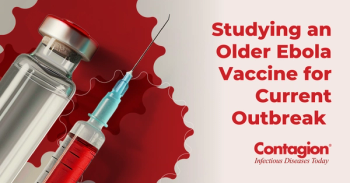
Investigators accessed longitudinal human data from ebola virus vaccination for signals of efficacy against the Bundibugyo species now surging in the Democratic Republic of Congo.
In the first episode of our news series looking at the food safety network, Lynette Johnston, PhD, offers insights into how the federal government surveillance infrastructure operates, and how epidemiologists serve as food detectives in determining bacterial pathogens and potential foodborne outbreaks.
In mid-May, as the world was still grappling with an unexpected hantavirus outbreak aboard a tourism vessel, news broke of an Ebola outbreak in the Ituri Province of the Democratic Republic of the Congo spanning at least 3 health zones, including Bunia, Rwampara, and Mongbwalu.
In this week's top infectious disease stories, a Pennsylvania teen became the state's fourth measles death in weeks, the CDC reported a 17% summer surge in rabies exposure calls, new research revisited whether cefepime raises mortality risk, a multihospital review examined ceftriaxone's safety after state alerts, and examining Legionella pneumonia diagnostics.
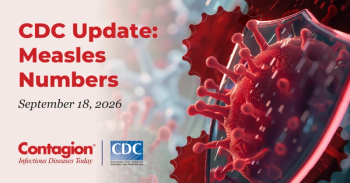
The latest CDC numbers show a 5.37% increase of measles cases from week-to-week. In Pennsylvania, the fourth measles-related death was reported in 2026. Additionally, the CDC has made a change in the way it will report deaths.
A "Clinician Outreach" from the Centers for Disease Control and Prevention (CDC) in April anticipated an increase in rabies exposures, and the striking surge in case reports this summer prompted a recent health advisory alert from the federal agency.