



HIV / AIDS
Latest News


Top 5 HIV Stories from CROI 2025: New Treatments, HIV Remission Insights, and More
By Sophia Abene
Advertisement
Latest Videos




































































































































































Advertisement
More News

Anchalee Avihingsanon, MD, PhD presents results showing 95.4% HIV RNA suppression and 86.6% HBV DNA suppression after 48 weeks of B/F/TAF in HIV-HBV co-infected patients.

David Berman, MD, PhD, discusses signs of dose-dependent viral control and reduction in active HIV reservoir in Phase 1/2 STRIVE trial data.
Phase 1 data on VH184, a third-generation integrase strand transfer inhibitor, and VH499, a novel HIV-1 capsid inhibitor, highlighting their antiviral potency, safety profiles, and potential for long-acting injectable formulations.
Carl Schmid, executive director, HIV + Hepatitis Policy Institute, explains how a Supreme Court case could have far reaching implications for greater health screenings and preventative services beyond HIV and hepatitis.

Sarita Shah, MD, MPH, reveals a decline in timely ART initiation from 86.5% in 2019 to 83.9% in 2020, with viral suppression rates dropping from 91.1% to 84.7%, before showing signs of recovery by 2021.

In a small study, investigators found they could reduce the antiretroviral therapy (ART) dosing to longer durations and the treatment remained safe and efficacious.

New pharmacokinetic data, shared by Moupali Das, MD, MPH, reveal long-lasting plasma concentrations, surpassing twice-yearly subcutaneous formulation for HIV prevention

At CROI 2025, researchers from Université de Montréal discuss how fostemsavir could target residual viral fragments and reduce inflammation.

Nilu Goonetilleke, LLBHons, BScHons, PhD, presents findings showing the bivalent HIVconsvX vaccine targets both Mosaic-1 and Mosaic-2, resulting in broader immune responses.
Nilu Goonetilleke, LLBHons, BScHons, presents findings from the phase 1 study, showing a 50% reduction in T cell response with age, while 85% of participants demonstrated strong immune responses.

Twenty organizations asked the high court to consider the federal government’s position on pre-exposure prophylaxis (PrEP) and HIV and hepatitis testing.

The Prescription Drug User Fee Act (PDUFA) date is set for June 19. And if it is approved, it would be the first and only twice-yearly HIV pre-exposure prophylaxis (PrEP).
Cabotegravir (Vocabria) + rilpivirine (Rekambys) is the first and only complete long-acting injectable regimen for the treatment of HIV.
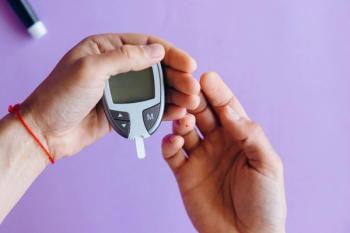
In persons living with HIV and diabetes, the management of diabetes is lagging behind the evidence. Despite SGLT-2 inhibitors demonstrating robust clinical data in the general population, they are grossly underused in persons with HIV and diabetes.

There are high infection rates in this population, but limited opportunities to bring about awareness and education. However, a newer program sponsored by ViiV Healthcare looks to engage these women and bring about a better understanding behind transmission and care.

During its 2 phase 3 clinical trials, the twice-yearly prophylaxis injection was found to be highly efficacious in preventing infection.

Findings from the CAPELLA study reveal virologic suppression and a safety profile for multidrug-resistant HIV-1.

The combination of the antiviral agents islatravir and lenacapavir demonstrates both efficacy and safety, leading to advancement into Phase 3 trials.

A five-year study highlights high virologic suppression and well-tolerated treatment in black patients.
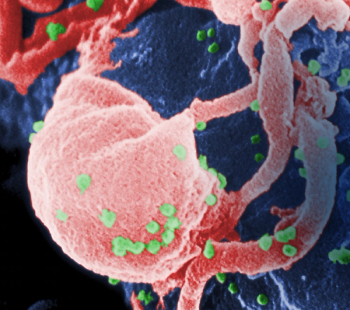
Current guidelines and primary literature for managing persons living with HIV who have persistently low levels of HIV RNA are scarce. Considering the risks associated with this phenomenon, a call for further guidance and more robust studies are needed for these patients.

Sohaib Asghar, MBBS, MD, highlights the role of socio-economic factors and demographic disparities in HIV mortality from 1999 to 2023.

Editor-in-Chief Jason Gallagher PharmD, FCCP, FIDP, FIDSA, BCPS discusses this agent as a potential tool for preexposure prophylaxis (PrEP) against HIV infection. And if it is approved, the ability to overcome access issues in low to middle income countries that have a greater need.

The significance of antiretroviral therapy (ART) has been a game changer for people living with HIV (PLWH). Still, there are some cardiovascular risks associated with different ART classes—particularly protease inhibitors (PIs), non-nucleoside reverse transcriptase inhibitors (NNRTIs), and integrase strand transfer inhibitors (INSTIs). Authors review a piece in the literature around this area of study.

Elizabeth Hastie, MD discussed the LATITUDE trial results, highlighting the need for wider access to this treatment, especially for those not virally suppressed, and could help shape future healthcare guidelines.
The late-breaking ID Week session reported on the once-weekly oral regimen being studied for use in people with HIV who are virologically suppressed.
Advertisement
Advertisement
Trending on Contagion Live
1
Measles Update: November 6, 2026
2
Real-World Data Show Lenacapavir PrEP Reaching New Users
3
Half of Long COVID Patients Substantially Improve Within 3 years
4
Early Metformin Linked to 53% Lower Risk of Long COVID or Death
5