



HIV / AIDS
Latest News
Advertisement
Latest Videos

























































































Advertisement
More News

This will include 3 trials to examine the therapy in different formulations in HIV studies.

Gender-affirming hormone therapy (GAHT) therapy consists of administration of exogenous hormones and suppression of endogenous hormone production, with the goal of obtaining characteristics more congruent with an individual’s gender identity. Here is a review of these therapies and consideration for PrEP and the risks associated with HIV in this diverse population.
There are a number of programs designed to help lower rates of infection and transmission amongst this industry's workforce in South Africa.
Investigators noted 2 distinct phases of HIV virus levels, meaning any infected cells that survive treatment can become latent, only to reignite HIV infection after antiretroviral therapy is stopped.
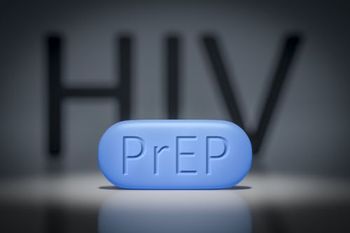
Texas judge Reed O’Connor ruled that requiring employers to cover the medical expense of HIV PrEP is a violation of religious freedom.
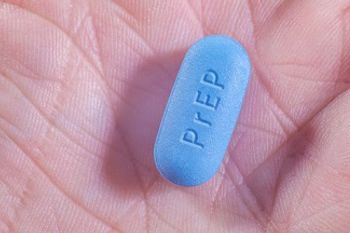
Reviewers weigh evidence for the benefit of oral PrEP protection from HIV with risk of exacerbating hepatitis B.
The European Commission approved lenacapavir to treat multidrug-resistant HIV infection. The long-acting HIV treatment regimen will be marketed as Sunlenca and available in injection or tablet form.
WHO guidelines on HIV, hepatitis and STIs focus on populations with high risk of infections but low inclusion in prevention and treatment programs.

The study was longitudinal in nature, comparing at-risk people who became infected with HIV to at-risk people who did not.
After widespread implementation of HIV pre-exposure prophylaxis (PrEP) among gay and bisexual men in Australia, population-level incidence of chlamydia and gonorrhea stabilized, allaying fears that PrEP would lead to a rise in STIs, a recent study found.

At AIDS 2022, Gilead presented data suggesting Biktarvy was a safe and effective complete HIV treatment regimen, including for those coinfected with hepatitis B.
After 5 years of treatment, fostemsavir improved immunologic response and virologic outcome in patients with highly resistant HIV infection.
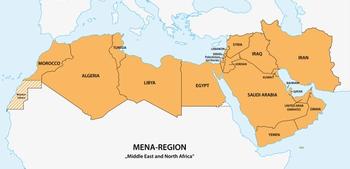
HIV epidemics are emerging among key populations in the Middle East and North Africa, and the region ranks lowest globally in response indicators.

An HIV-positive woman in her 60s has recovered from a simultaneous heart and kidney transplant.
Although this form of prophylaxis is highly protective, there are situations in which breakthrough infections occur.

Visceral leishmaniasis patients coinfected with HIV are vulnerable to other comorbidities including tuberculosis and cryptococcal meningitis but also to degrees of stigmatization and human rights issues.

A positive recommendation now heads to the European Commission, which can grant marketing authorization for 27 European Union member states.
The commitment to ending the HIV epidemic endures, despite drops in testing and new diagnoses during the COVID-19 pandemic.
In a phase 3 trial, if HIV patients received treatment for precancerous HSILs, their risk for developing anal cancer was reduced by half.
This small study had 2 phases, but patients saw HIV viral suppression for about 40 weeks after receiving the combination therapy infusions.

INSTIs have been thought to contribute to weight gain and metabolic syndrome, which in turn may contribute to cardiovascular events in HIV patients.
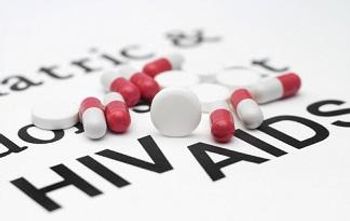
The South African National Department of Health has updated their HIV regimen recommendations for patients aged older than 10 years and more than 35 kg.
“It’s time to ensure widespread availability by promoting access to safe, effective, and sustainably priced medications, rather than providing incentives to prescribe higher-cost alternatives,” the authors said.
Joined by Steven Wolfe, DO, MPH, and Stuart A Fisk, CRNP, of the Allegheny Health Network, we discuss the populations most at risk of HIV infection, as well as advice for making healthcare spaces more inclusive and accessible for LGBTQ+ people.
Advertisement
Advertisement
Trending on Contagion Live
1
Measles Update: September 25, 2026
2
US Company Recalls Thousands of Pounds of Uninspected Meat
3
Carbapenem-Sparing Therapy for ESBL Bacteremia: New Trials, Old Questions
4
Asymptomatic C difficile Colonization in Infants Doesn’t Mean Benign
5