
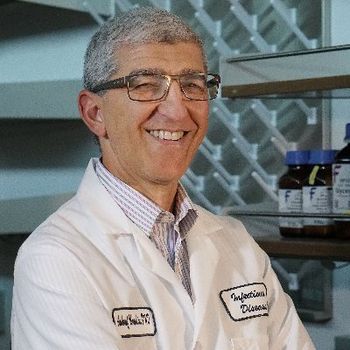
Ashraf S. Ibrahim, PhD, discusses how VX-01 prevents fungal invasion of blood vessels and enhances immune response in immunocompromised patients.
Ashraf S. Ibrahim, PhD, discusses how VX-01 prevents fungal invasion of blood vessels and enhances immune response in immunocompromised patients.

New 21-valent conjugate vaccine authorized to combat invasive pneumococcal disease and pneumonia in individuals aged 18 and older.
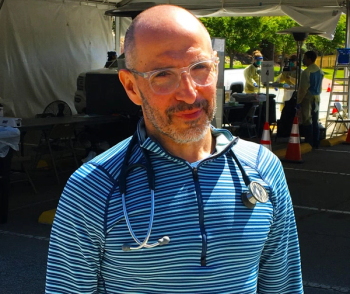
David Wohl, MD, discusses the complexities of diagnosing and the importance of managing ectopic fat in HIV patients.
Heather Platt, MD, discusses Merck’s ongoing research into real-world effectiveness and cost-effectiveness and offers a preview of data to be presented at ESCMID 2025.
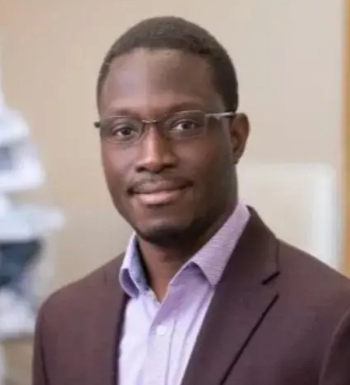
Onyema Ogbuagu, MBBCh, FACP, FIDSA discussed 96% virologic suppression with lenacapavir-based therapy, showing similar results to daily oral regimens.

Anchalee Avihingsanon, MD, PhD presents results showing 95.4% HIV RNA suppression and 86.6% HBV DNA suppression after 48 weeks of B/F/TAF in HIV-HBV co-infected patients.
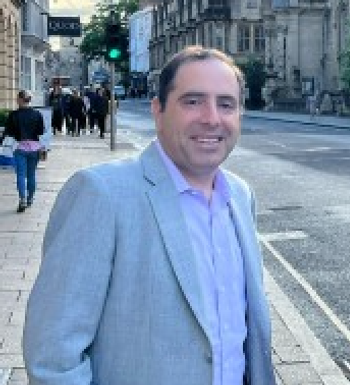
David Berman, MD, PhD, discusses signs of dose-dependent viral control and reduction in active HIV reservoir in Phase 1/2 STRIVE trial data.
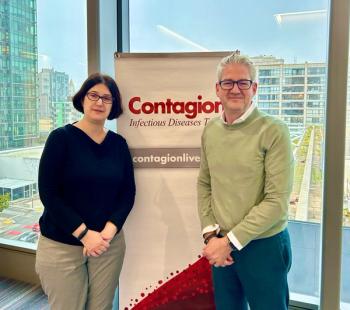
Phase 1 data on VH184, a third-generation integrase strand transfer inhibitor, and VH499, a novel HIV-1 capsid inhibitor, highlighting their antiviral potency, safety profiles, and potential for long-acting injectable formulations.

A coalition of employers, the US Business Action to End HIV, sent a letter to Congress outlining the continued need for support from the federal government.
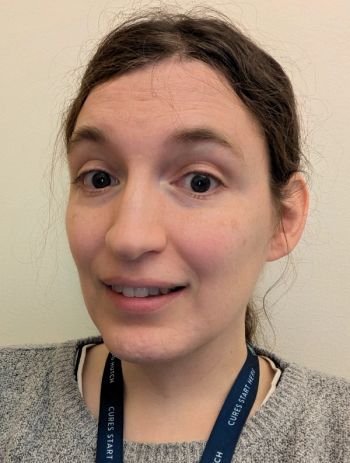
Mia Moore, PhD, presents findings showing 74% reduction in hospitalizations and key insights into primary vaccination and booster impact on population immunity in Washington and Oregon.

Thumbi Ndung'u, BVM, PhD discussed the safety and partial virologic control observed in a Phase 2a trial using broadly neutralizing antibodies and vesatolimod in HIV treatment interruption.

In a long-acting dose regimen, an investigational antibodies treatment is a potent antiviral that can function as a component of a complete antiretroviral regimen.

Georg Behrens, MD, PhD, highlights superior virological suppression and immune recovery with bictegravir-based therapy in therapy-naïve individuals with advanced HIV disease.

New pharmacokinetic data, shared by Moupali Das, MD, MPH, reveal long-lasting plasma concentrations, surpassing twice-yearly subcutaneous formulation for HIV prevention

Beatriz Mothe, MD, PhD discusses the Phase 1/2 STRIVE trial of IMC-M113V, a T cell receptor bispecific therapy targeting HIV-infected cells
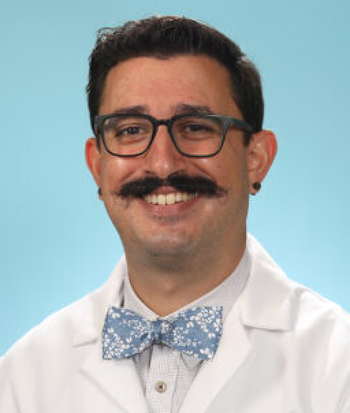
Joseph Cherabie MD, MSc, explains the importance of how these 2 components go hand-in-hand, and what it means to continue forward in spite of being in an unpredictable time.

Kellie Hawkins, MD discusses the findings along with the challenges of diagnosing Long COVID in people with HIV, emphasizing the need for improved clinical recognition and education.

At CROI 2025, researchers from Université de Montréal discuss how fostemsavir could target residual viral fragments and reduce inflammation.

Nilu Goonetilleke, LLBHons, BScHons, PhD, presents findings showing the bivalent HIVconsvX vaccine targets both Mosaic-1 and Mosaic-2, resulting in broader immune responses.
Nilu Goonetilleke, LLBHons, BScHons, presents findings from the phase 1 study, showing a 50% reduction in T cell response with age, while 85% of participants demonstrated strong immune responses.
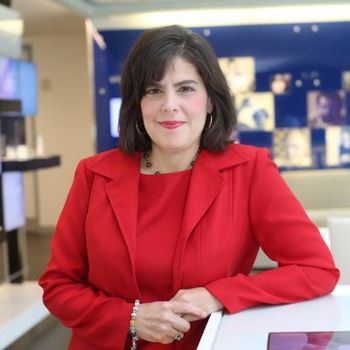
Stacy Lindborg, PhD, highlights the vaccine’s immune response, safety, and global distribution potential.
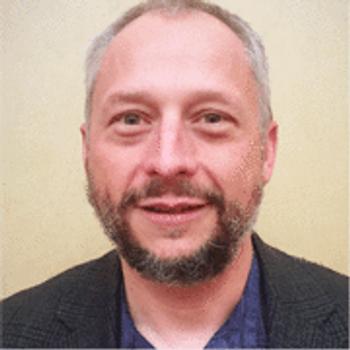
Sean Tucker, PhD, highlights effective immune response and mucosal immunity, paving the way for broader applications in viral disease prevention.
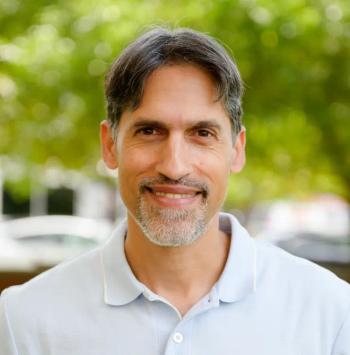
Sunil Parikh, MD, MPH, discusses the trial’s findings, noting no significant difference in malaria incidence (1.78 vs 1.84 cases per 100 person-weeks).
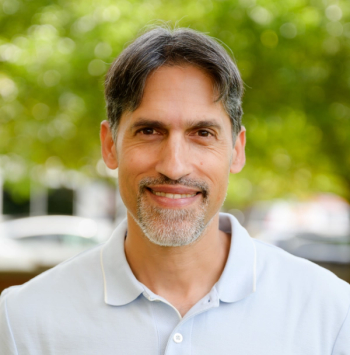
Sunil Parikh, MD, MPH, discussed how challenges like drug resistance and the limitations of current methods hindered ivermectin’s effectiveness in reducing malaria incidence.

Manjot K Gill, MD, MS, FASRS, FRCS(C), discusses how reduced retinal capillary perfusion may provide insights into Long COVID’s neurological effects and potential treatment approaches.
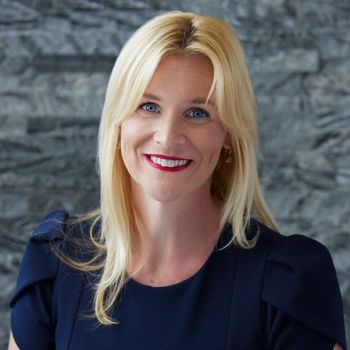
Kate Broderick, PhD, discusses the advancements in RNA-based vaccines for targeting flu, cancer, malaria, HIV, and more.
Ken Duncan, PhD, discussed the launch of a $50 million initiative focused on developing new drugs for critical pathogens contributing to antimicrobial resistance.
Jeffrey Freiberg, MD, PhD review of the SABATO trial on oral antibiotics for S aureus bacteremia and a comparison of mupirocin and iodine treatments for MRSA decolonization.
Jeffery Freiberg, MD, PhD review on key trials and challenges from 2024 in the fight against antibiotic resistance in complicated and uncomplictaed UTIs, including cefepime-taniborbactam and gepotidacin.
Jeff Freiberg, MD, PhD, on the rising emerging infection concerns of dengue, mpox, measles, and H5N1 influenza in clinical practice.