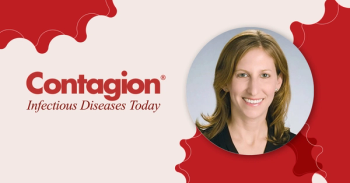
In recent years, programs have come online to address caring for patients with HCID, including the proper donning (putting on) and doffing (removal) of PPE. Morgan has been involved with initiatives related to it. She is the co-lead of the PPE Working Group for National Emerging Special Pathogens Training and Education Center (NETEC).
She says there are 3 pillars of PPE when it comes to treating patients with HCID: source of supply, the processes, and training and competency.
Check back for a video short where Morgan will discuss at length the proper procedures for donning PPE in HCID environments.
For the source of supply, the focus is on the PPE itself.
“You need to know what PPE is required for these different pathogens, and figure out with your supply chain, with your buying habits, with your staff, what you need, and then a lot of PPE does have an expiration date. So you need to figure out, how are we going to maintain that supply how are we going to get the right sizes, where are we're going to keep all this,” Morgan said.
For the process it is all about donning and doffing PPE properly according to Morgan, and that leads into the third pillar of training and competency to teach all components of PPE.
“We have people that have been trying to teach this personal protective equipment ensemble and realize that they have many staff members who can't safely, for instance, reach their feet or shrug out of a coverall. Well, then that might not be either the right person or the right PPE to put in that space,” she said.
“I think a lot of folks got used to hearing the term PPE during COVID, the idea of gloves and gown and mask and maybe eye protection, but I think we still missed the importance of making sure that people were safely removing those things and not recontaminating themselves or their environment when they took things off,” Morgan said. “So how do we remove something? It's really important, and making sure people are competent in how they do that is really vital for their safety. It's not something that you can just leave off.”
In the next episode, Morgan discusses biocontainment unit safety, efficiency, and improving standards for PPE to protect frontline healthcare workers.