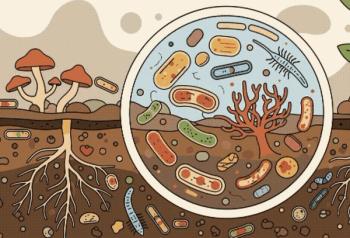
Widespread antimicrobial use disrupts vital microbial communities that regulate Earth’s biogeochemical cycles, driving antimicrobial resistance, worsening human and environmental health, and significantly contributing to climate change.
A new analysis shows thousands of children could contract hepatitis B, leading to further complications and deaths, if the vaccine schedule recommendations are changed to later in a child's life.
New data analysis shows the health and economic consequences of delaying the infant hepatitis B virus (HBV) birth dose vaccine in the United States. The findings—based on a model of 2024 US births—show that even short delays in vaccination lead to substantially more infections, severe long-term health complications, and sharply increased health care spending.1
The research comes from a partnership with HepVu, the Hepatitis B Foundation, and the National Viral Hepatitis Roundtable, and according to the analysis, the findings show:
“These data provide a powerful, evidence-based foundation for decision makers, health departments, and advocates who are working to strengthen infant immunization policies,” Michaela Jackson, program director of prevention policy at Hepatitis B Foundation, said in a statement. “By quantifying the real-world consequences of delaying the hepatitis B birth dose, including thousands of preventable infections and hundreds of millions in avoidable health care costs, this analysis offers a clear, data-driven tool to inform policy discussions and ensure that all infants receive the timely protection they need.”1
The work was led by researchers and public health practitioners from Oregon Health & Science University in Portland; the Los Angeles County Department of Public Health in California; Emory University in Atlanta, Georgia; and Cornell University in Ithaca, New York. The model and results were released as a preprint in medRxiv titled "
The authors have previously developed models on hepatitis B vaccination policies within the framework outlined by the Centers for Disease Control and Prevention's Advisory Committee on Immunization Practices (ACIP) Guidance for Health Economics Studies, which has informed prior ACIP decisions.1
In addition to infections, more serious illness such as liver cancer or increased mortality is predicted.
For each year a delayed birth dose policy is in place, modeling projects:
By delaying vaccines, health care spending due to new infections and lifelong management of chronic hepatitis B infection and liver disease increases. For each year the delayed birth dose policy is in place for infants whose mothers have negative test results for hepatitis B:
The existing vaccine guidance is for babies to receive their first hepatitis B vaccine dose within 24 hours of their birth, their second dose at 1 to 2 months, and their third dose at 6 to 18 months. Back in September, the ACIP voted to table their vote on whether to recommend a change to the HBV immunization schedule for neonates and move it back to 30 days after birth. With their decision to table the vote, the ongoing recommendation stayed in place.2
However, this could all change by week's end.
This Thursday and Friday, the ACIP will meet for its 2-day meeting. On Thursday, the meeting is solely dedicated to the hepatitis B vaccines, with a vote at the end of the day. However, there is limited information on who is presenting and it is not certain what the vote will be on specifically.
Check out our coverage at the conclusion of the vote on Thursday to learn the latest on the committee’s recommendations.