Ebola Outbreak in DRC Tops 9235 Confirmed Cases, CDC Reports
CDC reported 9235 confirmed
The outbreak is spreading substantially faster than previous Ebola outbreaks, according to CDC.1 It surpassed 1000 confirmed cases within 40 days of response activation, compared with approximately 235 days in the 2018 DRC outbreak.1 No cases linked to the outbreak have been confirmed in the US, and CDC rates the overall risk to the American public as low.1
That is 485 more cases and 236 more deaths than the 8750 cases and 4208 deaths Contagion reported October 11.2
CDC's epidemic curve, based on DRC INSP and WHO data as of October 13, shows the 2026 DRC outbreak alongside the 2014 West Africa and 2018 DRC outbreaks over the first 180 days.1
Current Ebola Situation
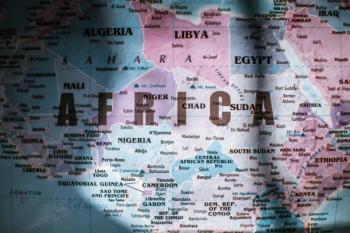
Cases are confirmed in 7 DRC provinces: Bas-Uele, Haut-Uele, Ituri, Nord-Kivu, Sud-Kivu, Sud-Ubangi, and Tshopo.1 This is the 17th Ebola outbreak in the DRC, and South Kivu has reported no confirmed cases since May 29.1
Outside the DRC, Kenya reported 2 confirmed cases and 1 death.1 Uganda reported 20 confirmed cases and 1 probable case, with 3 deaths (2 confirmed and 1 probable), and cases were reported in the capital of Kampala.1 France reported 1 confirmed case with no deaths.1
The last confirmed patient in Uganda was released from care July 16, and the last patient in France was released July 4, so neither country has active cases.1 The DRC Ministry of Health does not include probable cases in official reporting, and suspected cases and deaths are temporarily excluded pending investigation and data standardization.1 CDC said case counts are expected to change.1
CDC identified several response challenges, including limited health care infrastructure and ongoing conflict in the affected region.1 Violence against health care workers and shortages of personal protective equipment have led to infections among health care workers treating patients.1 Frequent cross-border population movement, mistrust of government, and misinformation further complicate the response.1
CDC Response, Travel Restrictions, and Guidance for US Clinicians
Travelers who were in the DRC within 21 days of their flight will not be allowed to board commercial flights to the US, CDC said.1 US citizens and nationals who have been in the DRC should remain outside the country for 21 days before entering the US.1
Citizens and nationals who were in Uganda or South Sudan, but not the DRC, within 21 days of arrival must enter through designated airports for enhanced screening.1 CDC recommends avoiding all travel to Ituri and Nord-Kivu provinces, and avoiding nonessential travel to Haut-Uele and Tshopo provinces.1 Travelers to other parts of the DRC or Uganda should take enhanced precautions and monitor for symptoms for 21 days after leaving.1
About 500 CDC staff are involved in the response, including more than 120 deployed to affected countries.1 The agency has published clinical screening and diagnosis guidance, infection prevention and control recommendations for US hospitals, and interim guidance for public health assessment of arriving travelers.1
For more on vaccine research against the Bundibugyo species, see Contagion's
References
Ebola Outbreak: Current Situation. CDC. Updated October 13, 2026. Data as of October 15, 2026. Accessed October 16, 2026. https://www.cdc.gov/ebola/situation-summary/index.html
Ebola Update: DRC Outbreak Passes 8,700 Cases and 4,200 Deaths. Contagion. October 11, 2026. Accessed October 16, 2026.
https://www.contagionlive.com/view/ebola-update-drc-outbreak-passes-8-700-cases-and-4-200-deaths
Related to this article