Ebola Update: DRC Outbreak Passes 8,700 Cases and 4,200 Deaths
The CDC reported 8,750 confirmed cases of
This is the 17th Ebola outbreak in the DRC.1 It surpassed 1,000 confirmed cases within 40 days of response activation, compared with approximately 235 days for the 2018 DRC outbreak to pass the same mark.
Case Counts, Geographic Spread, and Cross-Border Cases
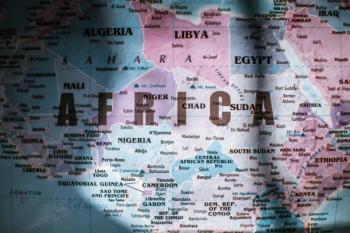
The DRC accounts for 8,728 confirmed cases and 4,205 confirmed deaths, with no probable cases or deaths included in the official DRC Ministry of Health reporting.1 Cases have been confirmed in Bas-Uele, Haut-Uele, Ituri, Nord-Kivu, Sud-Kivu, Sud-Ubangi, and Tshopo provinces. South Kivu has reported no confirmed cases since May 29.
Outside the DRC, Uganda reported 20 confirmed cases, 2 confirmed deaths, 1 probable case, and 1 probable death, with cases reported in the capital of Kampala.1 Kenya reported 1 confirmed case and 1 confirmed death, and France reported 1 confirmed case with no deaths.
The last confirmed case in Uganda recovered and was released from care on July 16, 2026, and the last case in France was released on July 4, 2026.1 CDC reports no active cases in either country. Suspected cases and deaths in the DRC have been temporarily excluded from the count pending investigations and data standardization.
Response Challenges, Travel Restrictions, and US Risk
CDC cited limited health infrastructure, ongoing conflict, violence against health care workers, shortages of personal protective equipment, frequent population movement, and misinformation as factors complicating the response.1 Health care workers are becoming infected while treating patients. The agency warned cross-border travel increases the risk of spread to Uganda, South Sudan, Rwanda, and other areas.
To reduce the risk of importation, the US has temporarily restricted entry for travelers who were in the DRC within 21 days of their flight, including US citizens, who will not be allowed to board commercial flights with US destinations.1 Citizens and nationals present in Uganda or South Sudan, and not the DRC, within 21 days must enter through designated airports for enhanced screening.
CDC recommends avoiding all travel to Ituri and Nord-Kivu provinces (Level 4) and avoiding nonessential travel to Haut-Uele and Tshopo provinces (Level 3).1 A Level 2 notice advises enhanced precautions in the DRC and Uganda.2 No Ebola cases associated with this outbreak have been reported in the US, and CDC considers the overall risk to the American public and travelers low.
About 500 CDC staff are involved in the response, including more than 120 people deployed to affected countries.1 CDC is working internationally and domestically to prevent Ebola from entering the US.
Frequently Asked Questions
What virus is causing the current Ebola outbreak in the DRC?
The outbreak is caused by Bundibugyo virus, a type of Ebola virus. CDC describes it as the 17th Ebola outbreak in the DRC.
Is there a risk of Ebola in the United States?
No Ebola cases associated with this outbreak have been reported in the US, and CDC considers the likelihood of spread to the US very low. The agency has temporarily restricted entry for travelers recently in the DRC.
Which areas should travelers avoid?
CDC recommends avoiding all travel to Ituri and Nord-Kivu provinces in the DRC and avoiding nonessential travel to Haut-Uele and Tshopo provinces. Travelers to other parts of the DRC or Uganda should take enhanced precautions and monitor for symptoms for 21 days after leaving.
References
Ebola Outbreak: Current Situation. CDC. Updated October 8, 2026. Accessed October 9, 2026. https://www.cdc.gov/ebola/situation-summary/index.html
CDC Current Outbreak List. CDC. Accessed October 9, 2026. https://www.cdc.gov/outbreaks/index.html
Related to this article