|Articles|March 24, 2020

FDA Issues Alert on Potential Risk of SARS-CoV-2 Transmission Through FMT

The FDA has issued a safety alert on the potential risk of transmitting SARS-CoV-2, the virus that causes coronavirus diseases 2019 (COVID-19), through fecal microbiota transplantation.

The US Food and Drug Administration (FDA) has issued a safety alert on the potential risk of transmitting SARS-CoV-2, the virus that causes coronavirus diseases 2019 (COVID-19), through fecal microbiota transplantation.

In the alert, published today, the FDA indicates that additional safety measures are needed after multiple studies reported that SARS-CoV-2 ribonucleic acid and/or SARS-CoV-2 virus was present in the stool of infected individuals.

Based on these studies, the virus may potentially be transmitted through fecal microbiota transplantation; however, the risk of transmission is unknown at this time.

Disruptions to health care activities due to the ongoing pandemic may result in decreased accessibility to nasopharyngeal specimen testing from stool donors. Additionally, little is known about the sensitivity and availability of direct testing of stool for SARS-CoV-2.

The FDA’s current recommendations for FMT include:

  • Screening for donors should include questions that identify individuals who may currently be or recently were infected with SARS-CoV-2.
  • Donors and/or donor stool should be tested for SARS-CoV-2, as feasible.
  • Criteria should be developed for the exclusion of donors and donor stool based on screening and testing.
  • Informed consent should include information about potential transmission of SARS-CoV-2 through fecal microbiota transplantation, including stool from donors who are asymptomatic for COVID-19.

The FDA indicates that more guidance will be provided as more information about this situation becomes available.


Related to this article

Pfizer 25-Valent Pneumococcal Vaccine Boosts Serotype 3 Response in Infants
Alejandra Gurtman, MD, discussed the phase 2 data at IDWeek 2026 which showed the investigational 25-valent pneumococcal conjugate vaccine 25vPnC produced serotype 3 antibody levels about 15-fold higher than Prevnar 20 after the booster dose, targeting a serotype still behind 10.6% of invasive pneumococcal disease in US children younger than five years.

Measles Update: October 23, 2026
The latest CDC numbers show a 4.0% increase in measles cases from week-to-week, bringing the 2026 US total to 4588 confirmed cases. Ninety-six percent of cases are outbreak-associated.
Inhaled Amikacin Shows Low Resistance Rates in MAC Lung Disease in ENCORE
In the phase 3b ENCORE trial, adding amikacin liposome inhalation suspension (ALIS) to azithromycin and ethambutol significantly improved culture conversion in newly diagnosed MAC lung disease, while treatment-emergent amikacin (2.2%) and macrolide (1.1%) resistance stayed rare. Kevin Winthrop, MD, provides insights around the study.
Measles Update: October 16, 2026
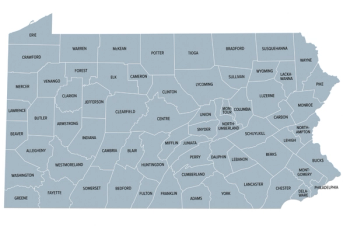
The latest CDC numbers show an 8.1% increase in measles cases from week-to-week, bringing the 2026 US total to 4410 confirmed cases. A CDC disease detective is going to Pennsylvania to aid in the state's massive outbreak, and the agency reports on a rare measles complication that is uniformly fatal.
NFID Survey Finds Respiratory Vaccine Gap Driven by Lack of Clarity, Not Hesitancy
The National Foundation for Infectious Diseases (NFID) recently held its respiratory season kick-off, which included the release of its annual respiratory disease survey. This year, the survey revealed the gap between vaccine support and uptake. Robert Hopkins Jr, MD, medical director of NFID delves deeper into the findings of the survey and the vaccine uptake challenges associated with certain immunizations.
Measles Update: October 9, 2026
The latest CDC numbers show a 5.0% increase of measles cases from week-to-week. The US total reached 4080 confirmed cases, 78% above all of 2025.