A study finding clesrovimab comparable to palivizumab in protecting at-risk infants in their first RSV season was extended to demonstrate clesrovimab effective and well-tolerated when administered in their second season.
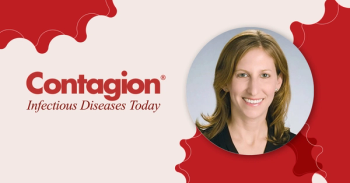
Jill Morgan, RN, BSN, talks about steps being taken to ensure everyone’s safety is front of mind.
We are continuing our series, Media Day, where we spotlight individual medical institutions and their infectious disease (ID) programs. This episode profiles Emory Healthcare.
Jill Morgan, RN, BSN, site manager, Serious Communicable Diseases Unit (SCDU), Emory University Hospital, is passionate about personal protective equipment (PPE) and improving standards in order to protect everyone involved who are caring for patients with high-consequence infectious disease (HCID).
One example is around doffing (removal) of PPE and ensuring the healthcare workers processes are safe and there is an evidence-based approach.
“I think we need to be able to have that evidence,” Morgan said. “We have to give people that confidence that they can take care of these patients and do it safely. And I think that if we can show them the evidence, then more people will be willing to take on those roles. And right now that's really important, because if we had another outbreak of any kind, the concern is that people would hesitate to deliver care, and we know that every minute, we hesitate to deliver care in an emergency room or urgent care anywhere in our hospitals, we're losing valuable minutes that can help save people's lives.”
She is trying to bring this approach not only to Emory, but nationally, and she serves on the National Academies committee on PPE.
“In the hospitals, people ask you the same question all the time, or they ask you the same question multiple ways. What's your name and date of birth? Or, we check your armband and ask your name, or we're checking your chart that way. If you've had surgery on one limb, they'll write on that limb that's their correct site. We've put a lot of things in place to make sure that we can deliver care safely for our patients, and that's incredibly important. But I think it's time, 25 years later, to have a parallel initiative for staff safety.”
She points to the pandemic and how that affected healthcare workers.
“We know we lost healthcare workers during COVID, some of them who succumbed to COVID itself, but many others who just got burned out and felt unprotected, and that's not okay. So, I think the most important thing I can do on this national academies committee is really try to bring that frontline perspective that we need to do a better job making sure people feel like we value their safety,” Morgan said.
In the next episode, Sharon Carrasco, DNP, APRN, ACNS-BC, NP-C, CEN, FAEN, FAAN, FNAP, talks about training healthcare professionals to respond effectively and safely to high-consequence infectious diseases.