Health officials in New York City are working to minimize the threat of Legionella bacteria across the city as a cluster of Legionnaires’ disease cases has been identified Lower Washington Heights. Legionella bacteria were also detected in the water supply of a hospital in the Bronx.
Legionnaires’ disease is not unfamiliar to the city of New York. Outbreaks have been reported there since 1985; the last major outbreak, which included 138 cases and 15 deaths, occurred in the South Bronx in the summer of 2015. That outbreak was regarded as one of the largest and deadliest outbreaks of Legionnaires’ disease in US history. All the cases were linked to a cooling tower in the South Bronx.
As part of the investigation into the current outbreak, New York City Department of Health officials are sampling and testing water from the cooling tower systems in the Lower Washington Heights in the borough of Manhattan, to determine if they are the source of the Legionella contaminated water causing the current cluster of cases.
“The Health Department has identified a cluster of Legionnaires’ disease in the Lower Washington Heights area,” said Health Commissioner Mary T. Bassett, MD, in a statement, “[T]his disease is very treatable with antibiotics. I encourage anyone with symptoms of Legionnaires’ disease to seek care early.”
In the initial announcement of the investigation, released on July 11, the Department of Health reported 8 diagnosed cases of Legionnaires’ Disease in Lower Washington Heights. Since then, the case counts have tripled and a representative for the New York City Department of Health told Contagion® that as of July 26, the current count is 27 cases of Legionnaires’ disease and 1 death.
Across the city in the Bronx, health officials have confirmed that Legionella bacteria were found in the water supply of the Jacobi Medical Center. In a statement to Contagion® NYC Health + Hospitals officials explained the steps they are taking to ensure the health of their patients.
“As part of our aggressive water monitoring program, our routine, required testing of our potable water supply found very low levels of Legionella bacteria at NYC Health + Hospitals/Jacobi,” they shared. “Per guidance from the New York State Department of Health, which regulates hospitals, we have taken steps to prevent any impact on our patients, staff, or visitors. Safety is always our highest priority.”
According to the health officials, the levels of Legionella bacteria were not high. Patients and staff have been made aware of the finding; however, the risk of infection is low. Still, the hospital has taken precautionary measures to decrease the risk of infection by providing bottled water, packaged bath wipes, and installing new water filters on the shower heads.
According to the US Centers for Disease Control and Prevention’s immediate control measures for health care facilities with water containing Legionella bacteria, water restrictions and the use of filters should continue to be implemented until the source of the bacteria has been identified.
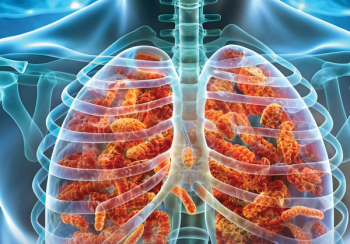
Symptoms of Legionnaires’ disease are similar to other types of pneumonia which can include fever, chills, muscle aches, and cough. Individuals only get sick by breathing in water vapor and the disease cannot be transmitted from person-to-person. Populations at a higher risk for infection include individuals over 50 years of age, individuals who smoke cigarettes and individuals with chronic lung disease or a weakened immune system.
At this time, there is no evidence to suggest that the cluster of Legionnaires’ disease in Lower Washington Heights is connected with the Legionella bacteria detected in the drinking water at Jacobi Medical Center in the Bronx. The NYC Department of Health advises any person living in the Lower Washington Heights area experiencing symptoms should seek medical attention.