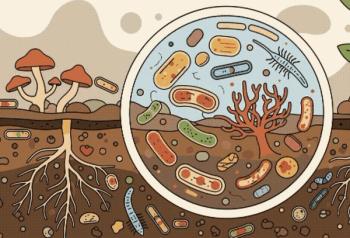
Widespread antimicrobial use disrupts vital microbial communities that regulate Earth’s biogeochemical cycles, driving antimicrobial resistance, worsening human and environmental health, and significantly contributing to climate change.
Study results on Vowst were presented at the recent DDW conference.
Live biotherapeutic products (LBPs) have been a novel treatment modality that has been emerging in the last few years. The approval of 2 products has demonstrated their utility in helping improve the gut microbiome.
One such LBP is Vowst, (formerly SER-109) manufactured by Seres and in collaboration with Nestlé Health Science. This product was
During the recent DDW conference, Seres offered new data looking at the senior population as it relates to treatment for rCDI. Specifically, its presented its, study, titled, Safety and Efficacy of Fecal Microbiota Spores, live-brpk (Vowst, formerly SER-109) in Older Patients with Recurrent Clostridioides difficile Infection: Findings from an Integrated Analysis of Phase 3 Trials.
Contagion spoke with Dianne Nguyen, MD, head of Medical Affairs at Nestlé Health Science, who offered further insights on the study.
Contagion: Can you talk about the efficacy findings of the study presented at DDW?
Nguyen:The study demonstrated that Vowst (VOS) was well tolerated, and recurrent Clostridioides difficile infection (rCDI) rates were low, supporting early/rapid microbiome restoration to prevent rCDI. In terms of efficacy, efficacy outcomes at Week 8 in patients aged 65 years and older were consistent with those in the overall population. At Weeks 8 and 24, 90.5% and 84.8% of patients in the overall population, respectively, were recurrence-free.
Contagion: In terms of its safety profile, can you discuss the findings
Nguyen: In patients aged 65 and older, no clinically important differences in the safety profile of VOS were observed compared to the overall patient population. Through Week 24 of the study, 63% of patients (221 patients) experienced treatment-emergent adverse events (TEAEs) that were mostly mild to moderate and gastrointestinal. The study found no serious TEAEs or deaths related to VOS, according to investigators, and no study withdrawals were due to TEAEs.
Contagion: What are the other important study takeaways with clinical implications?
Nguyen: Integrated data from the study suggests rCDI management with VOS may be considered in a vulnerable elderly population at high risk for recurrent disease. Data from the study reinforces VOS as an impactful and effective treatment to prevent the recurrence of CDI.
Contagion: In terms of patients’ profiles, who are the types of individuals who might be a fit for this treatment?
Nguyen: This analysis focused specifically on older adults, above age 65, as they are at greater risk for recurrent CDI. The increased risk of infection is thought to be due to factors such as comorbidities, microbiome senescence, reduced immune status and increased antibiotic exposure. Older adults who are at greater risk for rCDI may be a fit for Vowst, as the study found it to be well tolerated in the elderly population.