Today, the Centers for Disease Control and Prevention (CDC) reported there were 1,136* cases of measles in the US as of February 26, 2026. This is up substantially from this time last week, when the federal agency reported there was 982* confirmed cases.1 Week-over week, that is an additional 154 cases and a 15.7% increase. This marks a significant increase in the number of cases from the previous week that saw a 7.9% increase in cases the week ending (February 20).
This Week's Measles Summary Snapshot
Reviewing the week-to-week measles CDC data, there has been an increase in the number of new measles cases and the percentage of cases. And the number of outbreaks and jurisdictions (states) have increased as well.
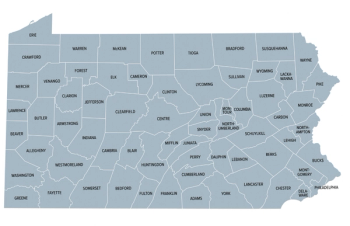
CDC said there were 1,130 measles cases in 28 jurisdictions: Arizona, California, Colorado, Florida, Georgia, Idaho, Illinois, Kentucky, Maine, Minnesota, Nebraska, New Mexico, New York City, New York State, North Carolina, North Dakota, Ohio, Oklahoma, Oregon, Pennsylvania, South Carolina, South Dakota, Texas, Utah, Vermont, Virginia, Washington, and Wisconsin. A total of 6 measles cases were reported among international visitors to the US. (This number has continued to stay static for a number of weeks now.) 1
The latest numbers show 2 more jurisdictions now have outbreaks compared to the previous week.
The federal agency reports “there have been 10 new outbreaks** reported in 2026, and 90% of confirmed cases (1,023 of 1,136) are outbreak-associated (152 from outbreaks in 2026 and 871 from outbreaks that started in 2025).” 1
There are now 2 more states with outbreaks compared to the previous week.
Treating Severe Measles
“I've seen children come into the emergency room and they're like rag dolls flopped over their parent’s shoulder. They're crying, but they don't have tears because they're so dehydrated. They have red eyes and photophobia, so the bright lights bother them,” said Patricia A Stinchfield, RN, MS, CPNP, past-president of the National Foundation for Infectious Diseases (NFID), who has extensive experience treating measles outbreaks. “They might have the 3 C's. We call it cough, conjunctivitis, which is that redness in their eyes, and coryza, which is this histamine-mediated, runny nose. They look at first like they have a bad cold, until that rash starts. And the rash starts up on the hairline and it goes down the face and down the trunk, as we have often said, ‘like a bucket of rash poured over your head.’”