The investigators determined that P vivax cases rose from 6 of 206 malaria cases (2.9%) in 2018 to a record high 63 of 346 cases (18.2%) in 2023, before declining to 43 of 250 (17.2%) in 2024.40 of 41 (97.6%) admissions for P. vivax malaria to the NYC Health + Hospitals system (H+H) were recent migrants, most from South America and Asia.
The investigators found fever at initial presentation in 90.2% of patients, followed by myalgias in 65.9% and nausea/vomiting in 61%.They noted that 14 patients (34.1%) had reported their symptoms in a medical encounter prior to their admission, and suggested that the nonspecific nature of the symptoms contribute to a delay in diagnosis.
"Paucisymptomatic infections, coupled with extended intervals from migration to symptom onset, could contribute to local malaria transmission, adding a critical layer of complexity to public health efforts," Coyle and colleague observe.
What You Need to Know
The proportion of malaria cases caused by P vivax increased from 2.9% in 2018 to 18.2% in 2023, coinciding with increased migration from malaria-endemic regions, particularly South America and Asia.
Unlike other malaria species, P vivax can remain dormant in the liver and reactivate months or years later, making complete treatment essential and raising concerns about delayed diagnoses, relapses, and the potential for local transmission.
Many patients presented with nonspecific symptoms such as fever, muscle aches, and nausea, and more than one-third had prior healthcare encounters before diagnosis, highlighting the need for greater clinician awareness and proactive screening among newly arrived populations.
Relapses had occurred in 7 patients (17%), confirmed by a parasite smear 21 days or more after completing blood-stage treatment, and were generally attributed to lack of liver-stage therapy.Coyle and colleagues relate that the CDC guidelines for anti-relapse (liver stage) treatment is primaquine 30mg daily for 14 days in patients weighing less than 70kg, or a total dose of 6mg/kg in patients over 70kg.
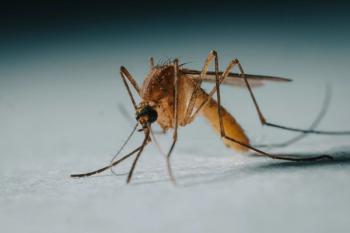
Coyle and colleagues point out that approximately 2,000 cases of malaria are reported annually in the US, most related to travel from endemic regions; and that the highest number of reports have been in New York City. While noting that local transmission is rare, they caution that it remains a theoretical risk as competent Anopheles mosquito vectors exist in several regions.
"These findings highlight the importance of early detection of malaria among recent arrivals and underscores the need for heightened awareness and proactive screening in immigrant populations," Coyle and colleagues advise.
Reference
1. Berto CG, Policarpio MA, Vargas-Pena C, et al. An increase in imported Plasmodium vivax malaria in New York City: Clinical and demographic trends following recent migration. Open Forum Infect Dis. 2026; ofag293. https://doi.org/10.1093/ofid/ofag293.