The association between obesity and severe outcomes from COVID-19 is well documented, but evidence across infectious diseases more broadly has been limited. To address this gap, the researchers analysed data from over 67,000 adults enrolled in 2 Finnish cohort studies and more than 470,000 participants in the UK Biobank. Participants’ body mass index (BMI) was measured at baseline, and they were followed for an average of 13 to 14 years to track hospitalisations and deaths from infectious diseases.2
The results showed a clear and graded relationship between body weight and infection severity. Individuals with obesity, defined as a BMI of 30 kg/m² or higher, had a 70% higher risk of being hospitalised or dying from an infectious disease compared with people with a healthy BMI (18.5–24.9). In the UK Biobank cohort, adults with a healthy BMI had a 1.1% annual risk of severe infection, compared with a 1.8% annual risk among those with obesity. For people with severe obesity (BMI ≥40 kg/m²), the risk was three times higher than for those of healthy weight.1
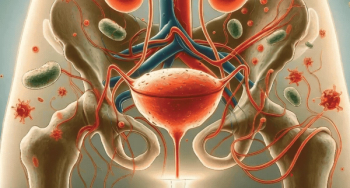
When examining specific infections, the researchers found increased risks for most of the ten common infectious diseases studied, including flu, COVID-19, pneumonia, gastroenteritis, urinary tract infections, and lower respiratory tract infections. Notably, obesity did not appear to increase the risk of severe HIV or tuberculosis.2
What You Need to Know
Obesity is associated with a 70% higher risk of hospitalisation or death from infectious diseases, with risk increasing steadily as BMI rises.
An estimated one in ten infectious disease deaths globally in 2023 may be linked to obesity, with large differences between countries.
The findings highlight obesity as a major, and potentially modifiable, risk factor for severe infectious disease, reinforcing the need for prevention, weight management, and vaccination strategies.
“Our finding that obesity is a risk factor for a wide range of infectious diseases suggests that broad biological mechanisms may be involved,” Lead author Mika Kivimäki, PhD, professor, University College London, said in a statement. “It is plausible that obesity weakens the immune system’s ability to defend against the infectious bacteria, viruses, parasites or fungi, therefore resulting in more serious diseases.” He added that evidence from trials of GLP-1 weight-loss drugs supports this hypothesis, as reducing obesity “also appears to lower the risk of severe infections, alongside many other health benefits,” while cautioning that further research is needed to confirm the underlying mechanisms.2
The GBD modeling revealed wide variation between countries. In 2023, the United States had the highest proportion of infectious disease deaths linked to obesity among high-income countries, at 25.7% (35,900 of 139,400 deaths). In the UK, obesity was linked to 17.4% of infectious disease deaths. By contrast, Vietnam had one of the lowest proportions, with obesity linked to just 1.2% of infection-related deaths.1
The authors emphasized that the study has limitations, including its observational design and limited representativeness of the Finnish cohorts and UK Biobank. As Sara Ahmadi-Abhari, PhD, MD, of Imperial College London noted, “Estimates of the global impact give a sense of how large the problem may be, but they should be interpreted with caution,” particularly given data gaps in low-resource settings.2
Still, the findings underscore the urgent need for public health action. As Nyberg stressed, “To reduce the risk of severe infections… there is an urgent need for policies that help people stay healthy and support weight-loss,” alongside keeping vaccinations up to date for people living with obesity.2
References
1.Nyberg S et al. Adult obesity and risk of severe infections: a multicohort study with global burden estimates. The Lancet. February 9, 2026. Accessed February 10, 2026.
https://www.thelancet.com/journals/lancet/article/PIIS0140-6736(25)02474-2/fulltext
2.The Lancet: People with obesity at 70% higher risk of serious infection with one in ten infectious disease deaths globally potentially linked to obesity, study suggests. Eurekalert. February 9, 2026. Accessed February 10, 2026.
https://www.eurekalert.org/news-releases/1115618