What You Need to Know
A meta-analysis of 119,145 hospitalized adults found opioid use was associated with nearly twice the odds of developing C difficile infection.
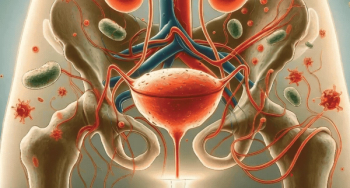
Mechanistic data suggest opioids may impair immune responses and alter gut microbiota, creating conditions that increase susceptibility to CDI.
A 2025 cohort study showed opioid-treated CDI patients had higher numerical rates of disease progression and longer recovery times, supporting calls for further research into dose- and class-specific risks.
Of the 1,521 articles screened, 4 met criteria, representing 119,145 hospitalized adults. Among these, 42 794 patients received opioids during hospitalization and 76,351 did not. CDI occurred in 13,399 opioid users compared with 13,184 nonusers. Across studies, opioid exposure consistently increased CDI risk, although the authors noted that effects may differ based on opioid class, dose, and duration.1
Additional research published in 2025 offers further context. A retrospective cohort study evaluated whether opioid use during active CDI influences clinical outcomes. While the difference was not statistically significant, the opioid group showed a numerically higher rate of progression to severe or fulminant CDI (28% vs 21.9%).2
The study included 73 patients who did not receive opioids and 93 who did. Average length of stay was 7.2 days in the non-opioid group compared with 9.3 days among opioid recipients (P = .11). Time to diarrhea resolution was 3.5 days without opioids vs 5.5 days with opioids (P = .40). Investigators observed a possible dose-related trend, with higher opioid dosages contributing to the numerical differences in severity and recovery.2
Both studies emphasize the need for further research to determine how opioid characteristics influence CDI risk and outcomes, and to better understand mechanisms involving opioid-related gut dysbiosis and immune modulation.
References
1.Gokhale P, Villa Zapata L. Opioid use and risk of Clostridioides difficile infection in hospitalized patients: A systematic review and meta-analysis. December 8, 2025. Accessed December 8, 2025. Doi: https://doi.org/10.1016/j.ajic.2025.06.019
2.Feeney ME, Thompson M, Gerlach AT, et al. Evaluation of Rectal Vancomycin Irrigation for Treatment of Clostridioides difficile Infection in Patients Post-Colectomy for Toxic Colitis. Surg Infect (Larchmt). 2019;20(5):411-415. doi:10.1089/sur.2018.265