The 18-year old resident of the state suffered from acute disseminated encephalomyelitis. Pennsylvania numbers are surging with some of the highest state totals of measles cases in the country.
Infectious disease pediatrician Sharon Nachman, MD, offers insights on the incidence trends among teens, and what severe disease complications look like for young children.
For Week 53, ending January 3, 2026, there were 28,783 cases of pertussis (whooping cough) in the US throughout 2025, according to the Centers for Disease Control and Prevention (CDC).1 And in 2024, there were 43,321 reported cases of pertussis—the highest number in more than a decade. We have now seen 2 years in a row where we have over 25,000 cases in the US.2 For comparison, there were 7,063 cases in 2023.2.
Sharon Nachman, MD, chief of pediatric infectious diseases, Stony Brook Children's Hospital, says there are increases in both young children and adolescents. Typically the former patient group is the demographic that is more at-risk; however, adolescents are seeing more disease as well.
She points to 3 factors for the pediatric population getting pertussis: non-uptake of the initial vaccines, older children not getting boosters, and those older teens, including college students, living in close proximity to others who have pertussis. In Nachman’s state, New York, the vaccines are required, but in other states where the vaccines are not required, this leaves adolescents and college-aged students at risk who may need a booster.
She says the changes in the vaccines also amount to people not getting fully vaccinated. “In the old days, we had a different pertussis vaccine. It killed wholesale pertussis, and you perhaps would have had lifelong immunity to disease. The current vaccine is a subunit vaccine. It requires boosting because it is not a wholesale vaccine,” Nachman said.
And in looking at the most vulnerable group, babies younger than a year, they are at greatest risk for getting pertussis and having severe complications from it.
“Of 100 infants in the first six months of life who do get pertussis, 50% of them will be hospitalized, and about 10% will die. So as you can imagine, pertussis is quite severe,” said Nachman.
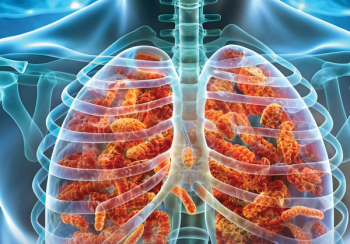
Nachman says for young children who become hospitalized and need a respirator, it can progress to chronic lung disease and a diminished quality of life.
“As you can imagine, chronic lung disease in a young child is not a good lifelong trajectory. They often wind up with asthma, reactive airway disease, and have chronic coughing,” Nachman said.
The DTaP vaccine protects against diphtheria, tetanus, and pertussis. And for those parents who have concerns about the safety of the vaccines, Nachman points out some important elements.
“You cannot get pertussis from the vaccine… the other thing I did want to mention to families that worry about preservatives like thimerosal in vaccines is that any vaccine that's a single use vaccine—like all of our vaccines in pediatrics—have no preservatives in them.”