During this time of year, much of the US becomes too cold for mosquitos to transmit vector-borne diseases. However, Chikungunya is still be transmitted in tropical environments. For example, 29 countries in the Caribbean region have documented cases of this disease as of December. One particularly hard hit country has been Cuba. Over 38,000 cases of Chikungunya have been reported in Cuba this year, with 21 deaths. US travel-associated cases have exceeded 200, which hasn't occurred since 2016.1
Recently, the Florida Department of Health reported there were 149 confirmed cases of Chikungunya among people who have traveled to Cuba, and the Miami-Dade County area alone accounting for 95 cases in 2025. 1
“Almost all the patients in the United States who are diagnosed with the infection, acquired it while traveling internationally, generally in a tropical region, and then come home, and shortly after they return home, they have a fever and often have severe joint pain, which can be what triggers to think specifically about Chikungunya virus,” said Andrew Handel, MD, pediatric infectious diseases physician at Stony Brook Children's Hospital and Stony Brook’s Regional Tick-Borne Disease Center in Hampton Bays, NY.
Locally Acquired Cases
Locally acquired cases of Chikungunya are extremely rare in the continental US, but there has been some locally acquired cases mainly in Texas and Florida, but there was a single case in New York state earlier this year, which would be the first in state’s history. In terms of concerns around locally acquired cases, Handel says there are 2 main ones.
"Sometimes we worry about mosquitoes sneaking their way onto airplanes and then making their way locally where they can bite someone who's not living in an area where we have Chikungunya or other tropical viruses. And the other concern is, as we see changes in climate and more warmer winters, more warmer summers, is it possible that the virus will be transmitted by our local mosquitoes again? At this point, there's no evidence to suggest that it is being frequently carried by mosquitoes in New York and other states,” he said.
Treatment
Unfortunately, there are no antivirals to treat the disease. “All the treatment that's offered is symptomatic and is based on providing supportive care to the patients. Individuals with Chikungunya very rarely are severely ill,” Handel said. The main symptom is joint pain so they might start patients with NSAIDS. For those who have prolonged joint pain, Handel says they might add a course of oral steroids to help with the symptoms.
Prevention
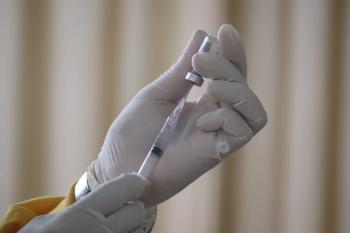
For those who are traveling to areas where Chikungunya is endemic, there are vaccines that are available. Individuals can speak with their providers about getting the vaccine prior to travel.
Additionally, there are insect repellents that can help mitigate mosquito exposure.
“We usually recommend DEET as the major compounds within the insect repellent. DEET 20 to 30% is the typical recommendation, because it stays on at least three to four hours at a time, so it doesn't rub off too quickly, and it does a great job of preventing those mosquitoes from biting,” Handel said. “There are a number of other compounds that are available, like picaridin and eucalyptus oil. The CDC has great information for providers about which ones they can suggest to their patients, and what are the pros and cons of those outside of that. For people who are going to be in areas where there is heavy mosquito burden, they may want to advise their patients to treat their clothing with permethrin, this is another chemical compound that goes directly onto the clothes, not onto the skin at all, because it's toxic to the skin. Once the clothes dry, the patient can then wear it.”
Reference
1. Cuba's Chikungunya Crisis Poses Risks for Visitors. Vax Before Travel. Accessed December 16, 2025. https://www.vax-before-travel.com/cubas-chikungunya-crisis-poses-risks-visitors-2025-12-14